Two Poems by James Conroy

EVERY CITY IS MY HOME

Someone says my name
in another place as if they know me.
Every bus, every train is a homecoming.
I see my father in a stranger’s eyes
and my mother on a billboard.

Every city is my home,
mountains and prairies in the yard.
I tend to things the way this river
spreads itself in high-water season.
My clothes fit every occasion.

Every city is my home
though I am always going;
horns and sirens late at night
and a newspaper in the morning.

NO ONE SAYS…

“Correct me if I’m wrong,”
and means it.

‘L train rumbles by;
rumbling because it never
wants answers
to questions it hasn’t asked.

If I cross another bridge
will the river feel diminished?
The river heeds my concern
so we remain friends.
It will still freeze next month.

I pass an old building in demolition
and think it was a school, once.
Might have been.
I taste the chalk.

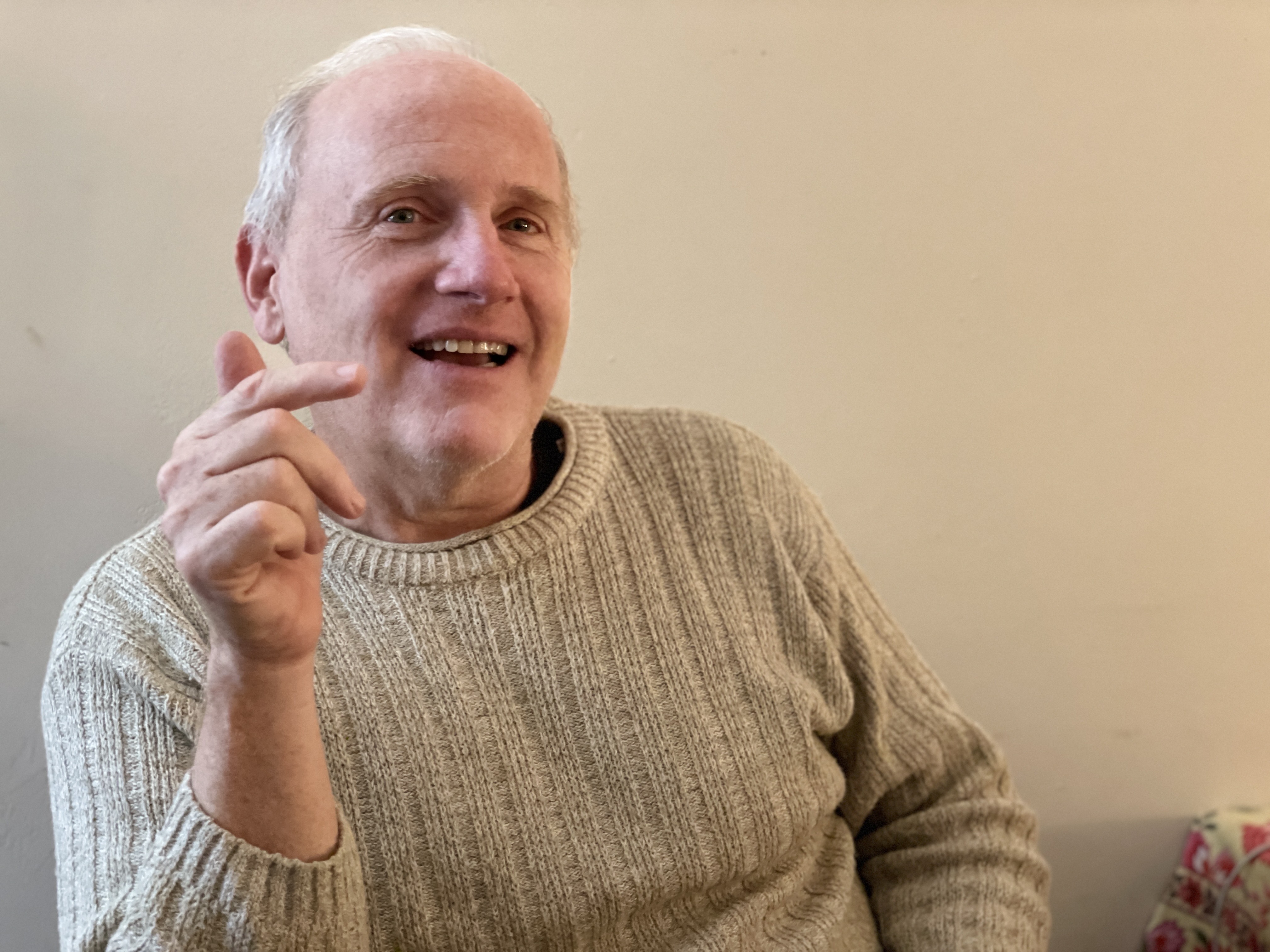
J. Conroy. heashot.3

James Conroy is a writer and editor living in Chicago. His poetry and short fiction have appeared in BLUE UNICORN, THE CAFÉ REVIEW, XANADU, THE ICONOCLAST, FREEFALL, SPEAKEASY, and the THE GROVE REVIEW among numerous other distinguished journals. He has also published a collection and eight novels.

Please note: Poetry is compressed to fit smart phone screens. If you are reading this poem on a phone screen, please turn your screen sideways to make sure that you are seeing correct line breaks for this poem.

Three Poems by Michael J. LaFrancis

The Goal Rush

Grand Central Station next stop.
Exit to the right of the train.
Watch the gap between the car and the platform please.

Thousands climb the stairs and converge
as they pass the golden clock tower,
that perches above the ticket counter.

The pounding of their leather heels
against the tile floor
sounds like a stampede

toward a set of stairs, these down,
to the Red Line 1, 2, 3
to the right side for Uptown, left for Downtown.

As the next train arrives the brakes are screeching,
the number or letter and destination is flashing
in red colored lights. The door opens, some get out.

Those who have been waiting push forward
trying to make sure they get all the way in,
before the door closes in front of them.

Some look forward, some look out
for the white letters and numbers
painted on black placards

This is 14th Street, Union Square.
The next stop is Brooklyn Bridge, City Hall.
Transfer is available to the 4, 5, J, and Z trains,

At the end of the day or week,
they will reverse this migration
to arrive home again.

I am in awe how many millions of people
can get where they want to go,
with a few simple signs for direction.

What Will Become of Me?

While so many of you
were under lockdown,
my clock at Grand Central was still

on duty directing traffic;
my trains and buses were delivering
those working to keep you alive.

I see you looking beyond your masks
into each other’s eyes, perhaps seeing
a cocktail of emotions for the first time

shaken and stirred are your stories
loss with longing,
like those that have been told before.

We will need to open our hearts
wider and deeper for me to be THE City
in your American dream.

The Dream

Your eyes are blue like the ocean,
observed the customs agent
at Beijing International.

“They are my mom’s eyes.”

A Chinese photographer
was taking pictures of me
in a tan fedora, brown felt boots,
snapping photos on my phone.

Cream-colored condos climb
out of the ground, like hollyhocks,
as bankers and investors play poker,
matching and raising tall buildings.

Cars crowd the throughways,
like ants on a hill. Tail lights,
street lights, and lanterns, all red,
decorate large cities, not scooters or bikes.

Our official tour guide,
a dark-haired woman, 30ish,
tells us everyone wants cash,
credit, cars and condos.

Permits are issued for alternate days of the week
that allow us to drive and run air conditioning,
guns and knives are not allowed in public,
police carry wooden clubs and walkie talkies.

China Dream was written in calligraphy
on a sign posted on a green construction wall.
“What is China Dream?”

We want harmony with our spirit,
in our relationships, meaningful work,
health and prosperity now, in the afterlife.

Michael

Michael J. LaFrancis is a trusted advisor and advocate for individuals, groups and organizations aligning purpose, capabilities and ideals. Writing poetry is a contemplative practice providing him with insight and inspiration for living a life imagined. He and his partner Sharon are co-authors of their autobiography.

Please note: Poetry is compressed to fit smart phone screens. If you are reading this poem on a phone screen, please turn your screen sideways to make sure that you are seeing correct line breaks for this poem.

“River City, Downtown” by Elliott Martin

The power of a river
cannot be contested by man,
whether by warship under sail,
or steam, harnessed for grain,
dammed for energy and commerce,
or forgotten and neglected.

In winter, the sun shines on the river
from over the bridge to the west,
and the mirror-glass-still water is broken only by its rocks.
On a summer eve, those rocks break white caps
as the force of nature rushes past, and a man in a kayak
journeys through downtown, a block away.

In wartime, these waters rushed past a foundry,
where hundreds of young women gave their lives making bullets,
and armies and navies battled for control of the capital city.

And the water rushes farther,
to where there was no Virginia,
to when Powhatan was understood by all,
the power of a river is in the life of its green algae,
and herons, and sturgeons as they pass,
struggling upstream to spawn where they were born.

Richard

Elliott Martin is a graduate student, writer, historian, musician, and poet living in Richmond, Virginia. His writing has appeared in The Copperfield Review, Artemis Journal, JerryJazzMusician.com, and elsewhere. Originally from Southwest Virginia, he has lived in Richmond since 2019.

Please note: Poetry is compressed to fit smart phone screens. If you are reading this poem on a phone screen, please turn your screen sideways to make sure that you are seeing correct line breaks for this poem.
Two Poems by Bradford Middleton

FELL IN LOVE AGAIN, GOD-DAMN IT!

I started looking again, looking
for somewhere new to lay my
head at night & write all day but
as I look out my door at this old
Brighton I think maybe tomorrow
I’ll start looking for a job in London
as the weekend past I went to see
& god-damn it I feel in love all over
again…

BRIXTON AIN’T ABOUT BASEBALL CAPS IT’S MORE A STATE OF MIND

On social media I see it a lot, white privileged
Guys rocking BRIXTON branded baseball caps
& each one I’m sure is so convinced of his own
Cool that I know none would have been able to
Live down that road like I did all those years ago
Above the Ethiopian restaurant & live to tell
The tale of the madness of those times with the
One woman I’ve ever really loved…

Bradford

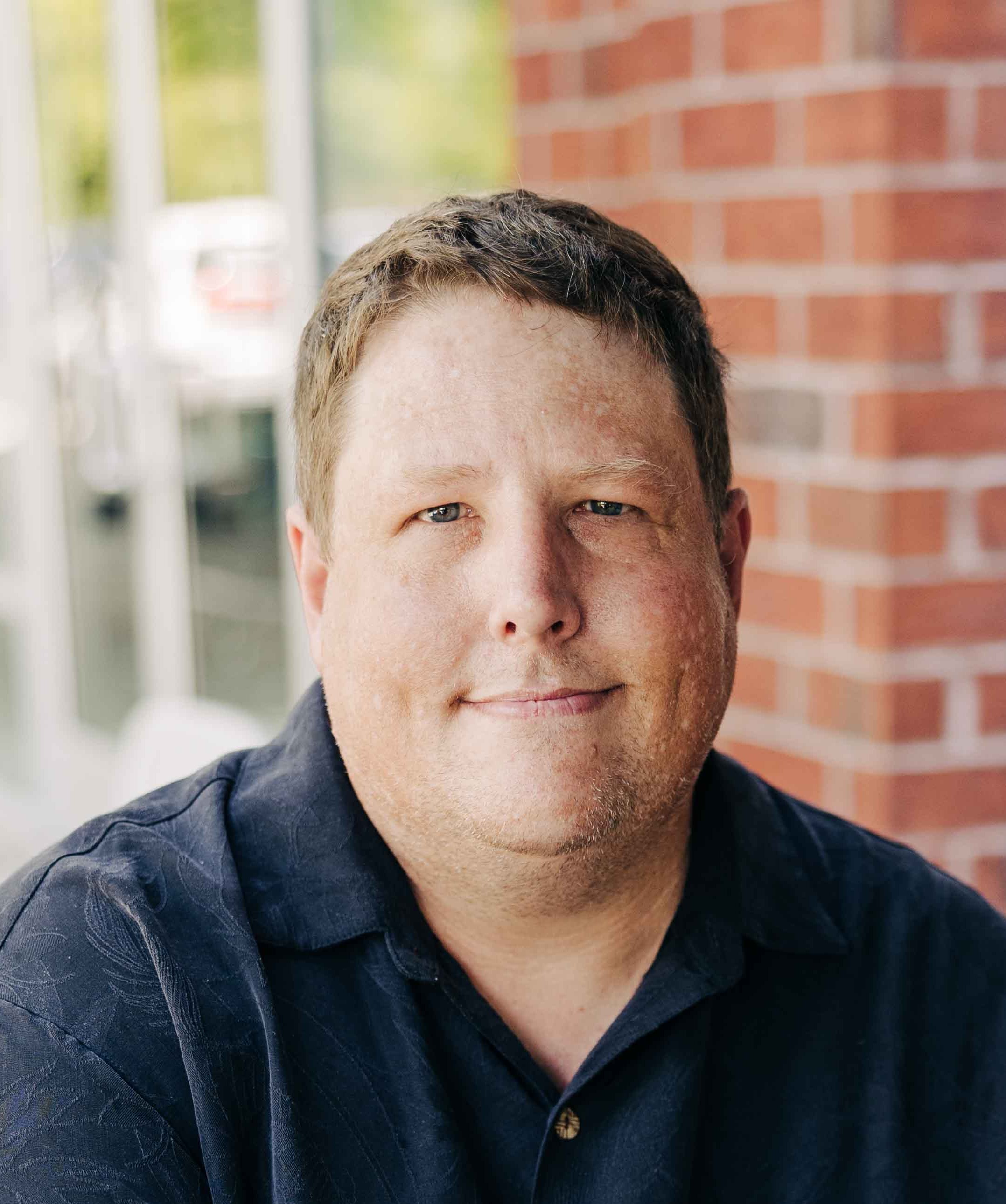
Bradford Middleton lives in Brighton on the UK’s south-coast. Recent poems have featured in the Good Press’ The Paper, Dear Booze and the Mad Swirl. His most recent book The Whiskey Stings Good Tonight… came out last year from the Alien Buddha Press. He tweets occasionally @bradfordmiddle5.

Please note: Poetry is compressed to fit smart phone screens. If you are reading this poem on a phone screen, please turn your screen sideways to make sure that you are seeing correct line breaks for this poem.
“Memories, Like Leaves” by Tohm Bakelas

On the edge of town lies another town,
and beyond that, another. You lean
against a wood fence, watching invisible
wind move across untamed fields of
green that have begun to brown. It is
November and cold. Things are living
and dying. You think back, eleven or
more years ago, when, for twenty-eight
days, your punk band toured across the
country in a run-down green ’98 Chevy
conversion van that was purchased for
$1200 and came with two seats in the
front, a cigarette burned couch in the
back, no seatbelts, and a suicide knob.
You think about the long drives before
the shows, passing through towns and
cities with names you can’t remember,
across highways you can’t recall,
through states that you never stopped in,
and places that never knew you were
there. Long days of endless driving to
play fifteen minute sets in crowded
basements, dark bars, beige living rooms,
moldy garages, anywhere with electricity.
And when the tour ended, and the van
broke down, you had it towed to outside
your house to serve as a reminder of the
feats you accomplished and the memories
made. But tonight, eleven or more years
later, leaning against this wood fence,
you think of the nights after the van died,
after the band died, after the fun died.
Those cold November nights when you
and your friends spent in the van, huddled
together under blankets and sleeping bags
for warmth, drinking Heaven Hill Whiskey
and smoking pot, like a lost tribe of
shamans, exiled to die in New Jersey.
And tonight, these memories, like leaves,
are few and far between, little to none
remain. And it is cold, so very, very cold.

Tohm

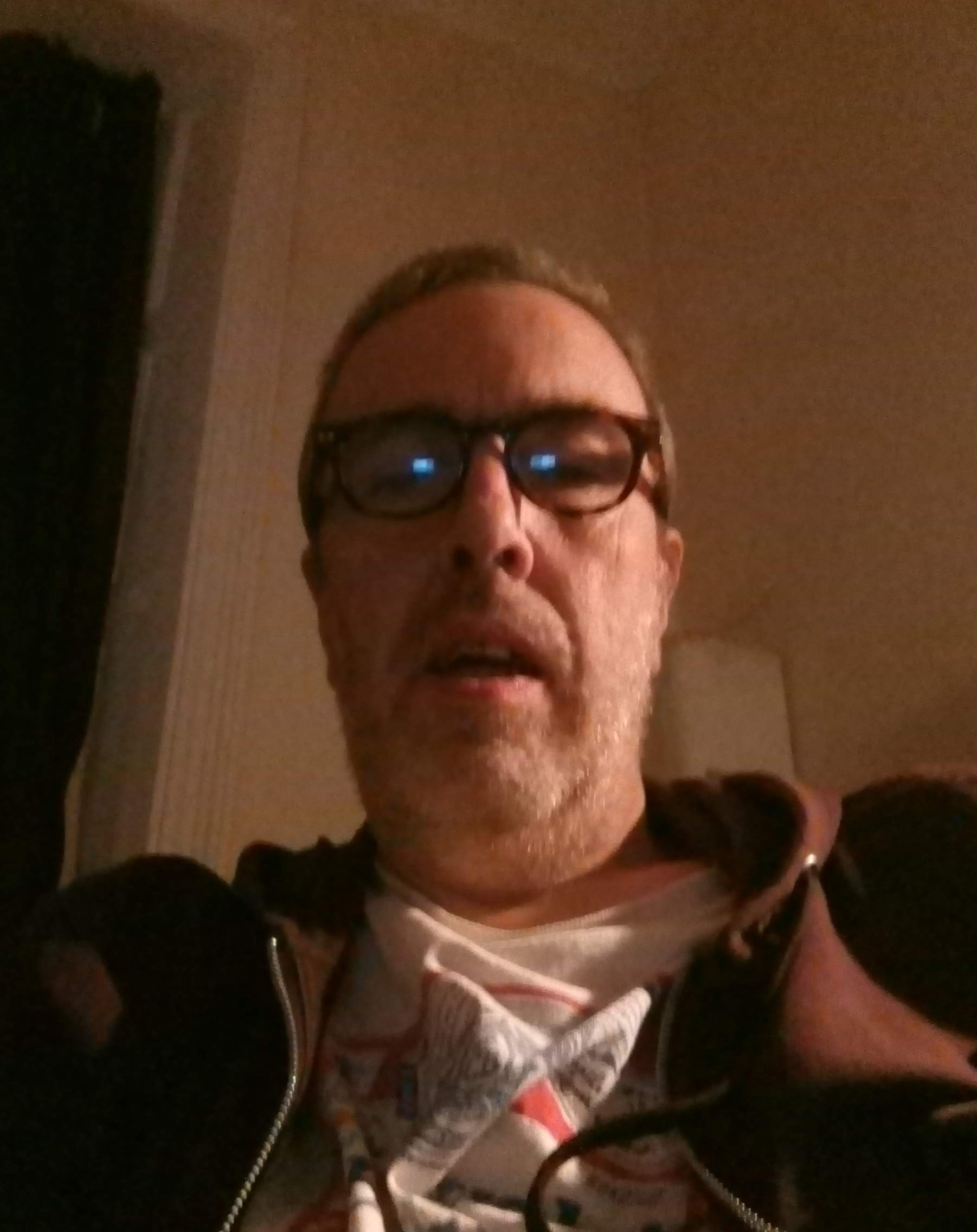
Tohm Bakelas is a social worker in a psychiatric hospital. He was born in New Jersey, resides there, and will die there. He is the author of several collections of poetry, including “Cleaning the Gutters of Hell (Zeitgeist Press, 2023) and “The Ants Crawl in Circles” (Bone Machine, Inc., 2024).

Please note: Poetry is compressed to fit smart phone screens. If you are reading this poem on a phone screen, please turn your screen sideways to make sure that you are seeing correct line breaks for this poem.

Two Poems by Shaheen Dil

The Hudson River Park

Red sugar on my tongue,
I walk along the gray Hudson
beyond the bronze pumpkin,
          serpentine steel rods mimic benches,
past the fenced-off runs for dogs,
tennis courts, skate rinks,
past Pier 40, where the Hornblower Serenity bobs in oily water,
          winks, huge and beckoning,
          lights poking holes in a darkening sky.

I float on anticipation—
some glimpse of the world as black lightning,
Andean street players fingering pipes,
break dancers strutting their moves,
dreadlocks flying,
drums thrumming.

I pass strangers,
joggers’ faces showing pain or grace,
spinning to the honeyed air their sweat,
as though the evening were theirs to keep,
as though this secret could be shared with fireflies, blinking.

Union Square

Everything is on offer
          Saturdays at the farmer’s market:

stands with wildflower honey,
          jams, baked goods,

girls with fish-net leggings,
          black thongs showing,

boys with eyeliner, earrings,
          jittery, alluring,

Masters teasing challengers
          at stone chess tables,

a cellist with open case,
          hopeful singer at hand,

a smiling farmer selling high-priced greens
          to city slickers,

free-range eggs,
          as if the eggs themselves could walk.

On the plaza, dancers and protesters
          move in a mirrored minuet—
          shadows of skyscrapers join the dance.

Shaheen Dil is a reformed academic, banker and consultant who now devotes herself to poetry. She was born in Bangladesh, and lives in Pittsburgh. Her poems have been widely published in literary journals and anthologies. Her first full-length poetry collection, Acts of Deference, was published in 2016. Her second full-length poetry collection, The Boat-maker’s Art, was published from Kelsay Books in 2024. Shaheen is a member of the Pittsburgh Poetry Exchange, the DVP/US1 Poets, and the Porch Poets. She holds an AB from Vassar College, a master’s degree from Johns Hopkins University, and a Ph.D. from Princeton University—leaving campus only when it was absolutely necessary to get a real job. 

Please note: Poetry is compressed to fit smart phone screens. If you are reading this poem on a phone screen, please turn your screen sideways to make sure that you are seeing correct line breaks for this poem.

“City of Pleasant Living” by Elizabeth S. Gunn

“This is because the caress is not
a simple stroking; it is a shaping.”
               – Eve Kosofsky Sedgwick

drinking into familiarity –
               your orange raincoat…
               teaspoons tickling the side of hope –
               hopeful, let us

hypothesize in our unlit corner
               of Fox’s Lounge, Route One
               John Prine, Patsy Cline
               sugar with despair

spilling lapsed time, timing
               fingertips like frippery
               your braid behind a teacup
               ear listening to vintage chandeliers

like a desideratum
               a language, South Miami typesets
               | craving | Clevelander | aesthetics |
               amid our city’s deco chords

let us be here in the aquafer
               of humid desire the shape
               of anonymity in a sibylline song –
               the slyness of fox, the sadness of so long

Elizabeth S. Gunn (www.elizabethsgunn.com) serves as the Dean of the School of Arts, Sciences, and Business at Nevada State University. She writes poetry and fiction in Henderson, Nevada, where she and her wife live with their three rescue pups in the endless Mojave Desert.

Please note: Poetry is compressed to fit smart phone screens. If you are reading this poem on a phone screen, please turn your screen sideways to make sure that you are seeing correct line breaks for this poem.
“Maastricht, 1496” by Jake Price

I never noticed architecture
until you kissed the flutes
in my cheekbones.

We sat on a park bench,
hands clasped together,
watching strangers and pointing out dormer noses
and bay window eye sockets.
My body turns to rubble when you smile.
I would never tell you that.

The arch of your spine, facade to facade,
Romanesque afternoons mixed with wine
and latticework and I exist I exist I exist.

                                       We   used      a      crumbling      statue    as    an      ashtray.

                                       I want   to marry  you here and then    go back to the States

                         and      forget      about   you.

Jake

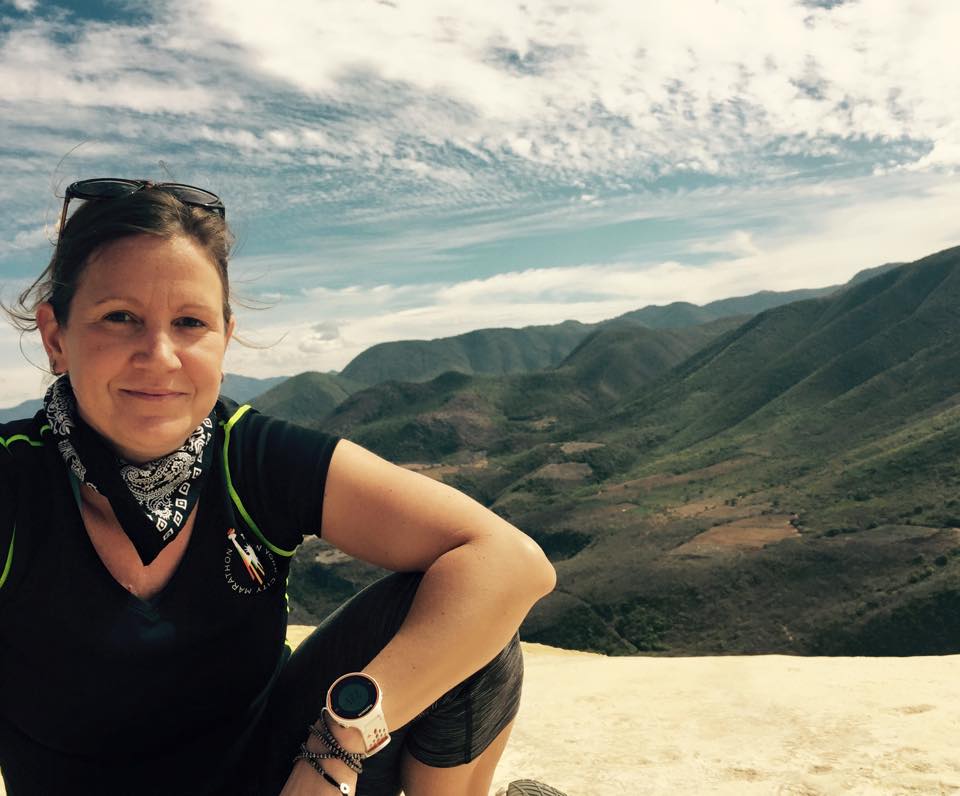
Jake Price is a junior at Susquehanna University pursuing a degree in Creative Writing and a minor in Art History. He was born in Texas and currently resides in McConnellsburg Pennsylvania. He spends most of his time reading his work to his cat, Raven, who has yet to give him any feedback. His poetry has been published in Philadelphia Stories, The Poet Magazine, and The Viridian Door. His short fiction has been published in Cream Scene Carnival and Querencia Press.

Please note: Poetry is compressed to fit smart phone screens. If you are reading this poem on a phone screen, please turn your screen sideways to make sure that you are seeing correct line breaks for this poem.

“Waking with the City” by Judith Rosner

How I love when Florence wakes and
we share the day’s beginning together.

I walk on stones polished by centuries of wear
as I sip my cappuccino and watch the moon

give up his seat to sun as she rises behind me
lighting buildings birthed in Middle Ages.

I check out recently shined shop windows
as street lamps blow out like birthday candles.

The Duomo, looming large, preens for me,
showing off her white and green marble stripes.

I wave as I pass, happy to see her before she is
blocked from view by tourists as they pose for pictures.

Statues lining piazzas flex their chiseled muscles
reminding me it’s time to plan my day.

Judith

Judith Rosner’s poetry appears in the literary journal HerWords, the Living Peace 2019 Art of Poetry Anthology, the Jewish Literary Journal, the Gulf Coast Poets AnthologyHarmonic Verse, and the Bards Against Hunger 10 Year Anniversary Anthology.  She holds a doctorate in sociology and retired from a successful career as professor, leadership developer, and executive coach.  Judy and her husband split their time between Sarasota, Florida and New York City.

Please note: Poetry is compressed to fit smart phone screens. If you are reading this poem on a phone screen, please turn your screen sideways to make sure that you are seeing correct line breaks for this poem.

“A Walk Through Town” by VA Wiswell

1.

My favorite sweater, beautiful wool
cables burnt an olive green,
a fleet of the moment, flea
market purchase,
previously owned, I’d bet
money, by Father Time,
scratches my skin. A
living reminder, an existential
answer:
               I itch; therefore, I am.

2.

On my street, storefront lakes
of concrete and glass stretch
into infinity, I think to paddle
past, not in need or
want of anything, instead,
always in want and need of
something, I stop to peer at
the glittery trinkets napping on
their velvety pillows, bored of
the endless admiration. In the
window, a face of youth absconded
joins me. I imagine, then, a cartoony
thief sneakily stealing year after
year, their crime unnoticed by this
poor stranger until too late.

3.

Inside my favorite house,
affluent Arabica air, infused
with stranger-to-stranger
conversation, I wander to the
counter and toss my order,
complete in two extinct words:
               Black drip,
onto the barista’s counter.
Behind me, in the line of my past,
a thousand soft-skin dinosaurs
celebrate my retrogression by
stomping and laughing loudly.
With my order, molten lava
secured in a throwaway paper
cup, I stay for a beat, daring to dip
my toes into the house’s blend.
Around me, human thumbs crouch
like lions, hovering over bright
screens of prey, restless to swipe
at the first flash of light. Clutching
only my coffee, I stand out, a herring
in a field,
               bright
               and golden.

4.

Later, after hours locked in my time
capsule, a windowless space
heated with historical dust, I
manage to compress thoughts
that escaped days into bite-sized
bites, ideal for storage and
effortless consumption and
guilt-free disposal.

5.

Now, I stand lectern sturdy,
self-examined to the
bone, before a passel of
glossy, scrolling eyes,
a galaxy vast and black,
and listen to the leak of
a lifetime escaping
between us.

VA

VA Wiswell lives outside Seattle, WA, with her human and animal family. Her work has appeared in Writing In a Woman’s Voice, The Lake, Smoky Blue Literary and Arts Magazine, 34th Parallel Magazine, Sad Girls Literary Magazine, Ignatian Literary Magazine, and OJA & L Magazine. She has poems and short stories forthcoming in Front Porch Review and Crab Creek Review. You can find her on Instagram at @vawiswell and http://www.vawiswell.com

Please note: Poetry is compressed to fit smart phone screens. If you are reading this poem on a phone screen, please turn your screen sideways to make sure that you are seeing correct line breaks for this poem.