Enter the City

“Chiang Mai” by Neal Donahue

Please note: Poetry is compressed to fit smart phone screens. If you are reading this poem on a phone screen, please turn your screen sideways to make sure that you are seeing correct line breaks for the poem.

The Muslim call to prayer
awakens us at quarter to six
in the morning, the pulsing
voice otherworldly and insistent.

We find ourselves in Chiang Mai,
a market city, prosperous and
alive, a religious mecca with
golden temples and Buddhist monks.

The air is cool and fresh,
a welcome change from Bangkok,
and we are uplifted by flowers and
the majesty of surrounding mountains.

As we make our way upward
on the winding mountain road,
the city falls away below, a busy hub
in the shadow of Suthep Doi.

At the temple, we ring the bells,
their throbbing tones rising up
toward heaven, the benevolent
spirits welcoming our prayers.

Neal

Neal Donahue majored in English at the University of Oklahoma, then served 5 years as a submarine officer. After his stint in the Navy, he taught elementary school in Massachusetts and Vermont, incorporating poetry into his curriculum. Neal has had a number of poems published in small journals.

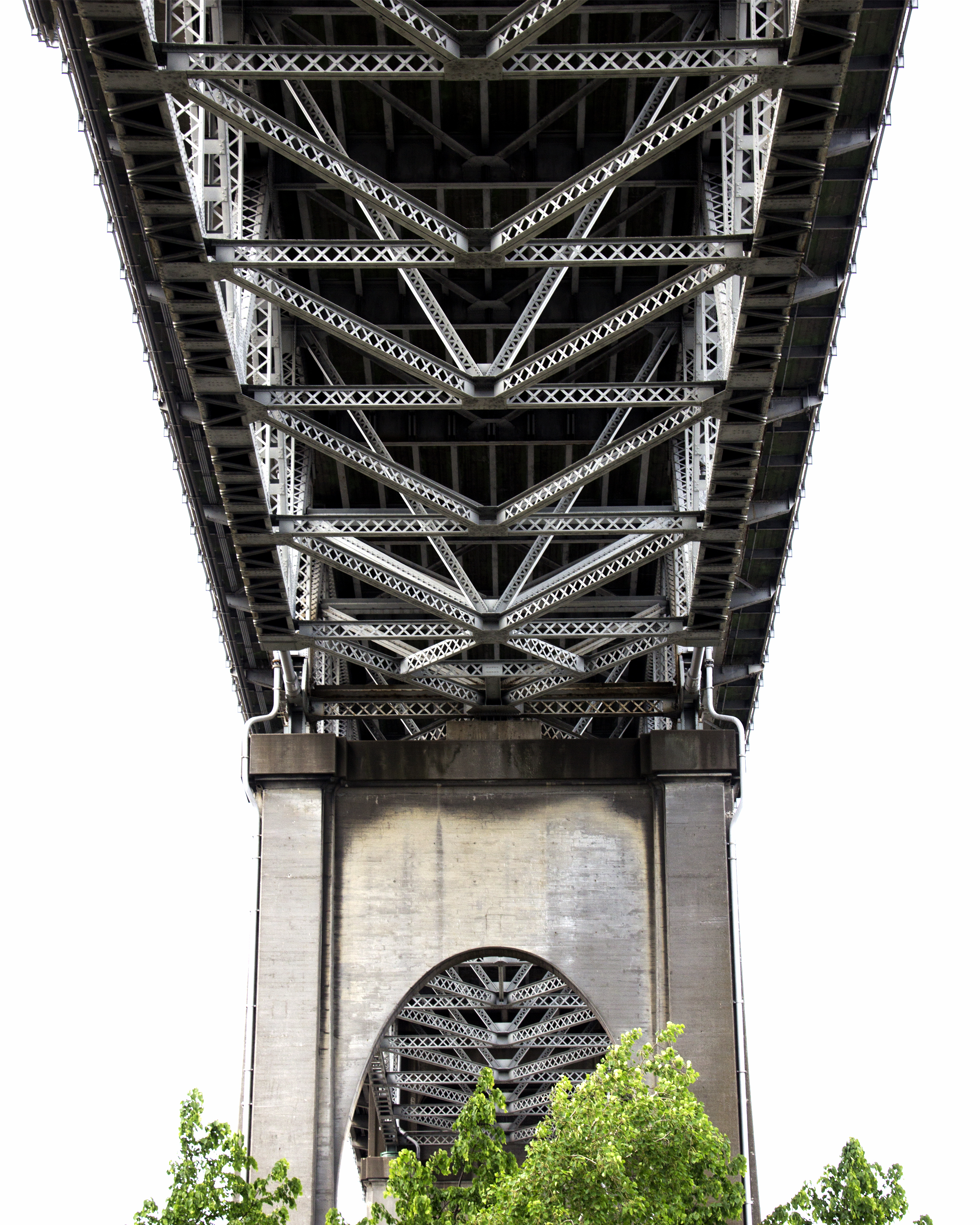
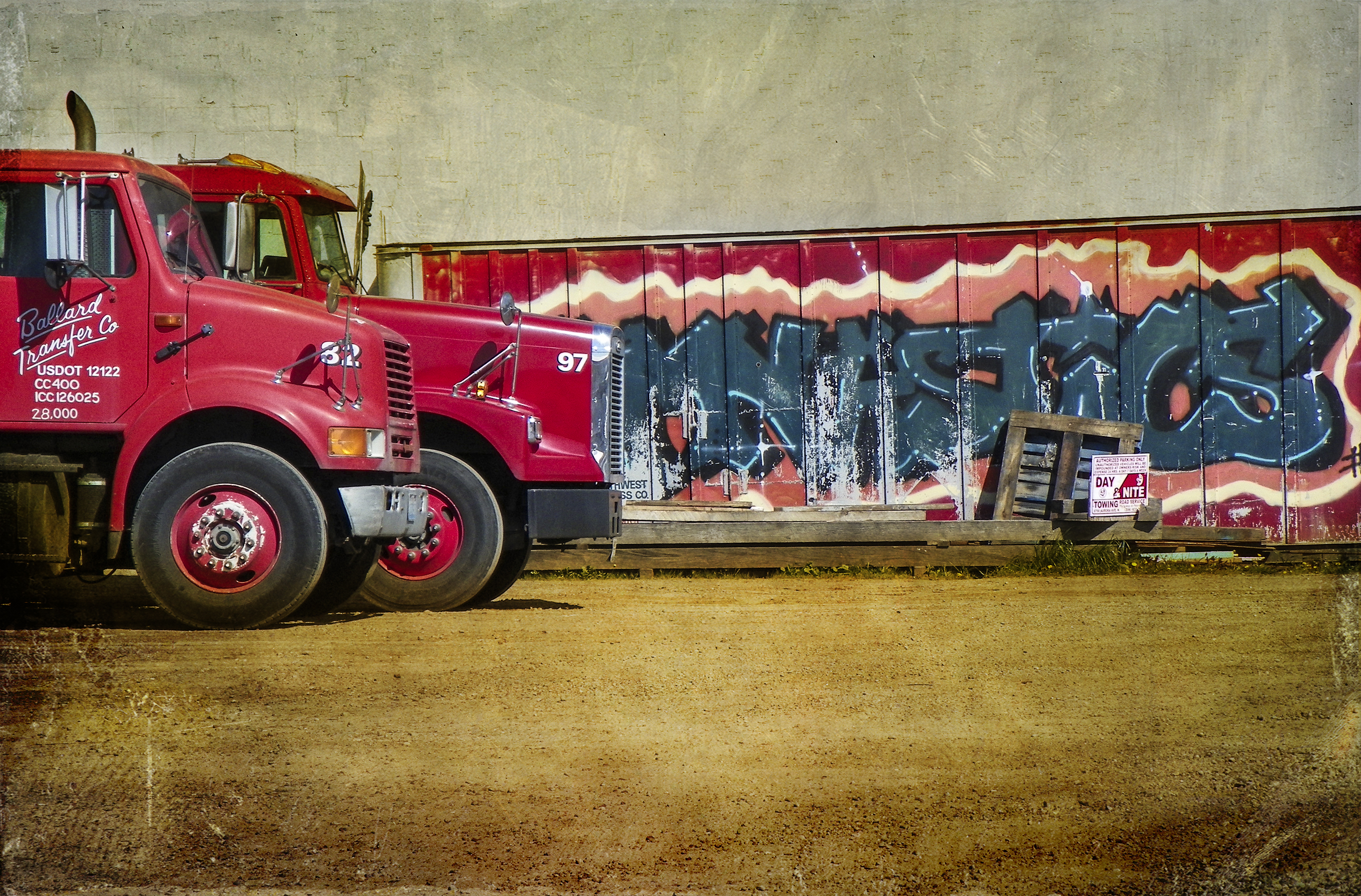
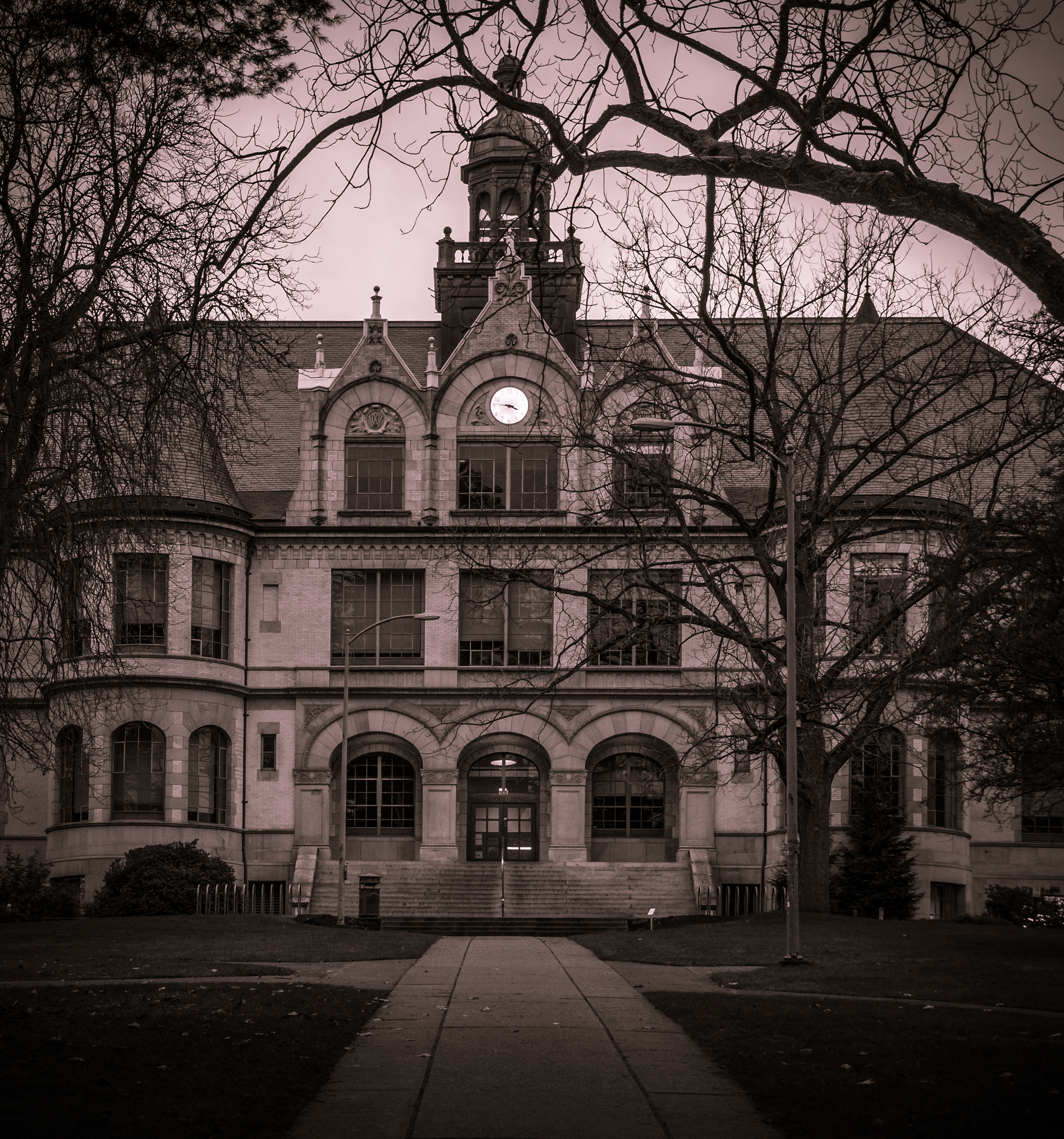
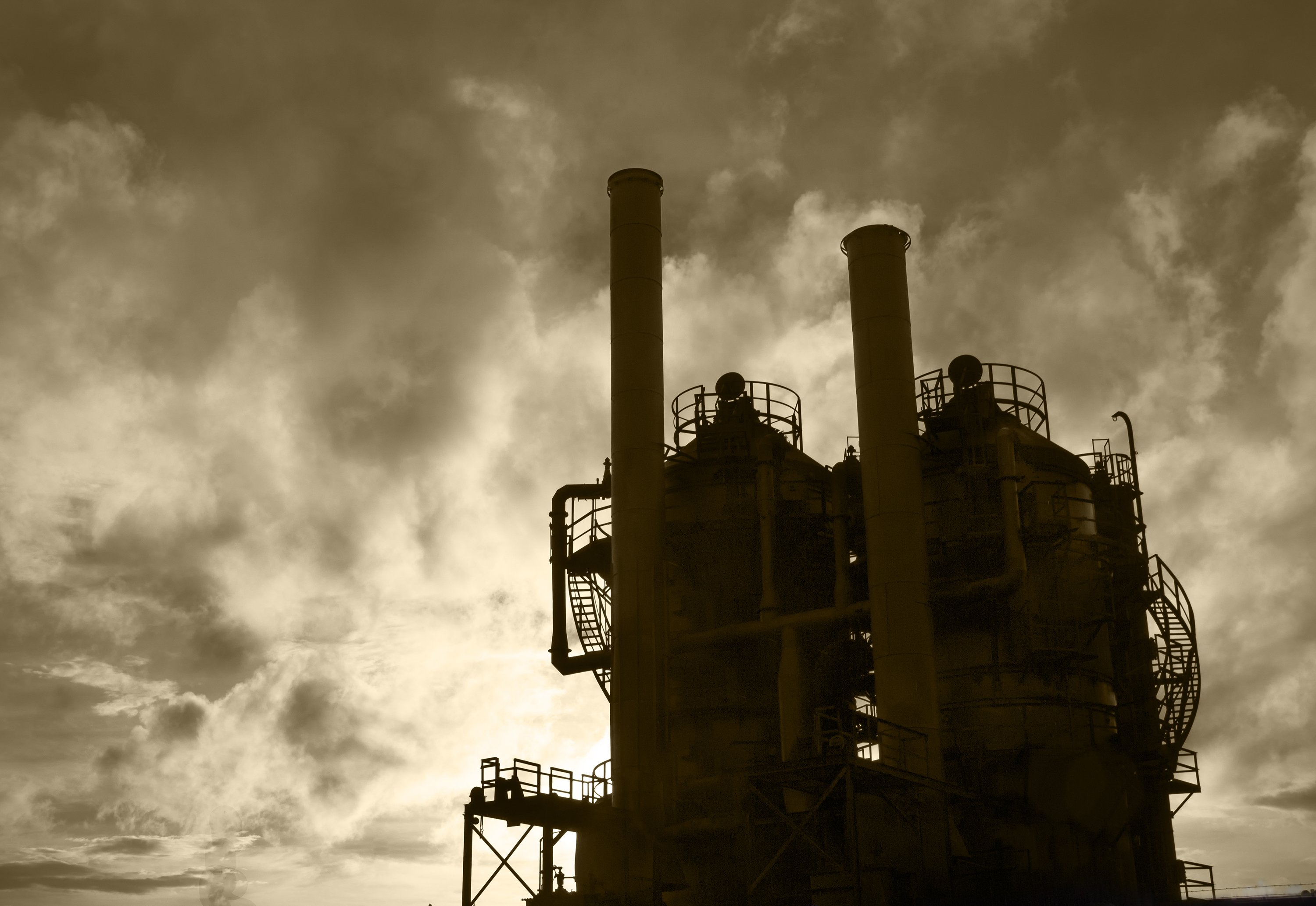
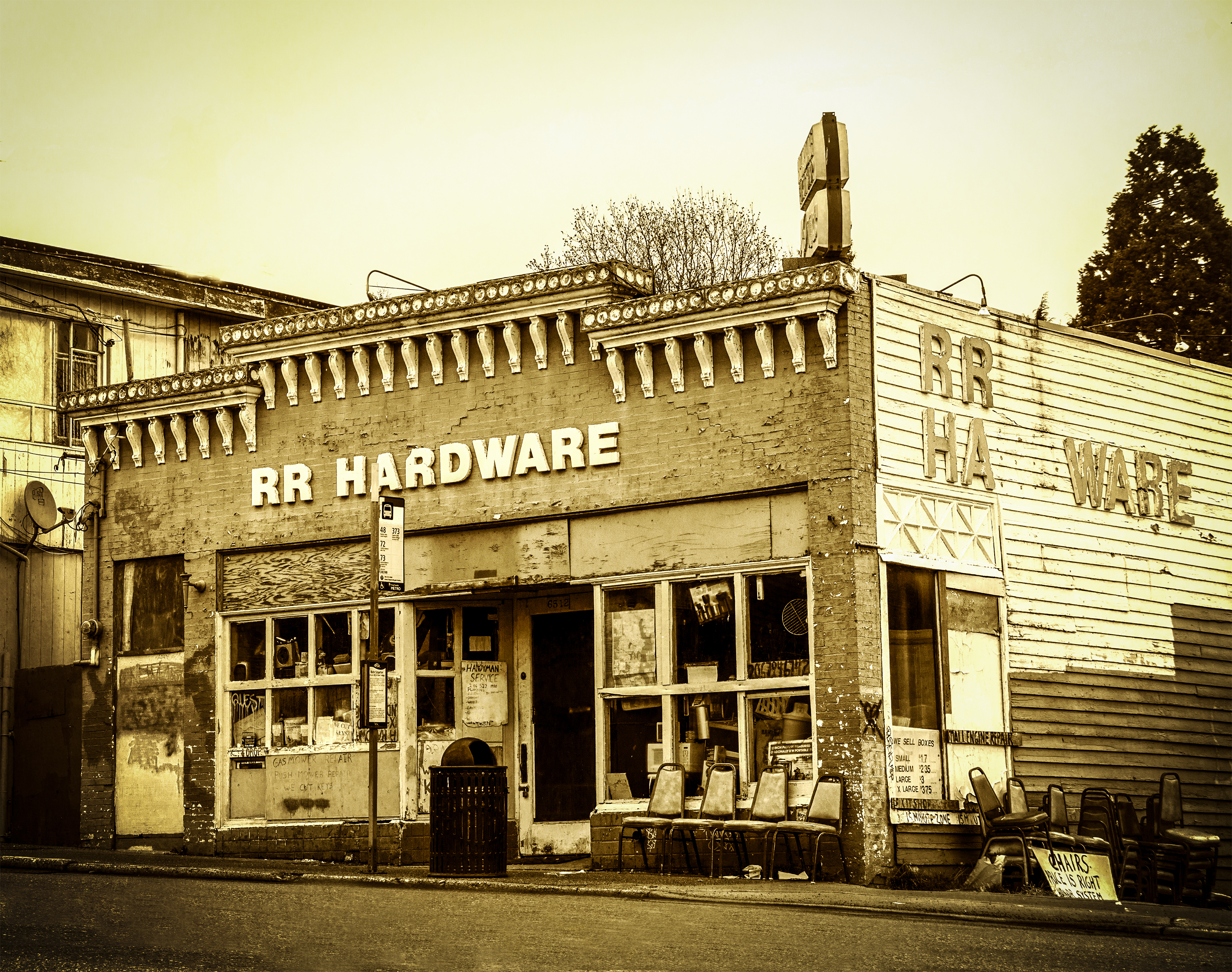
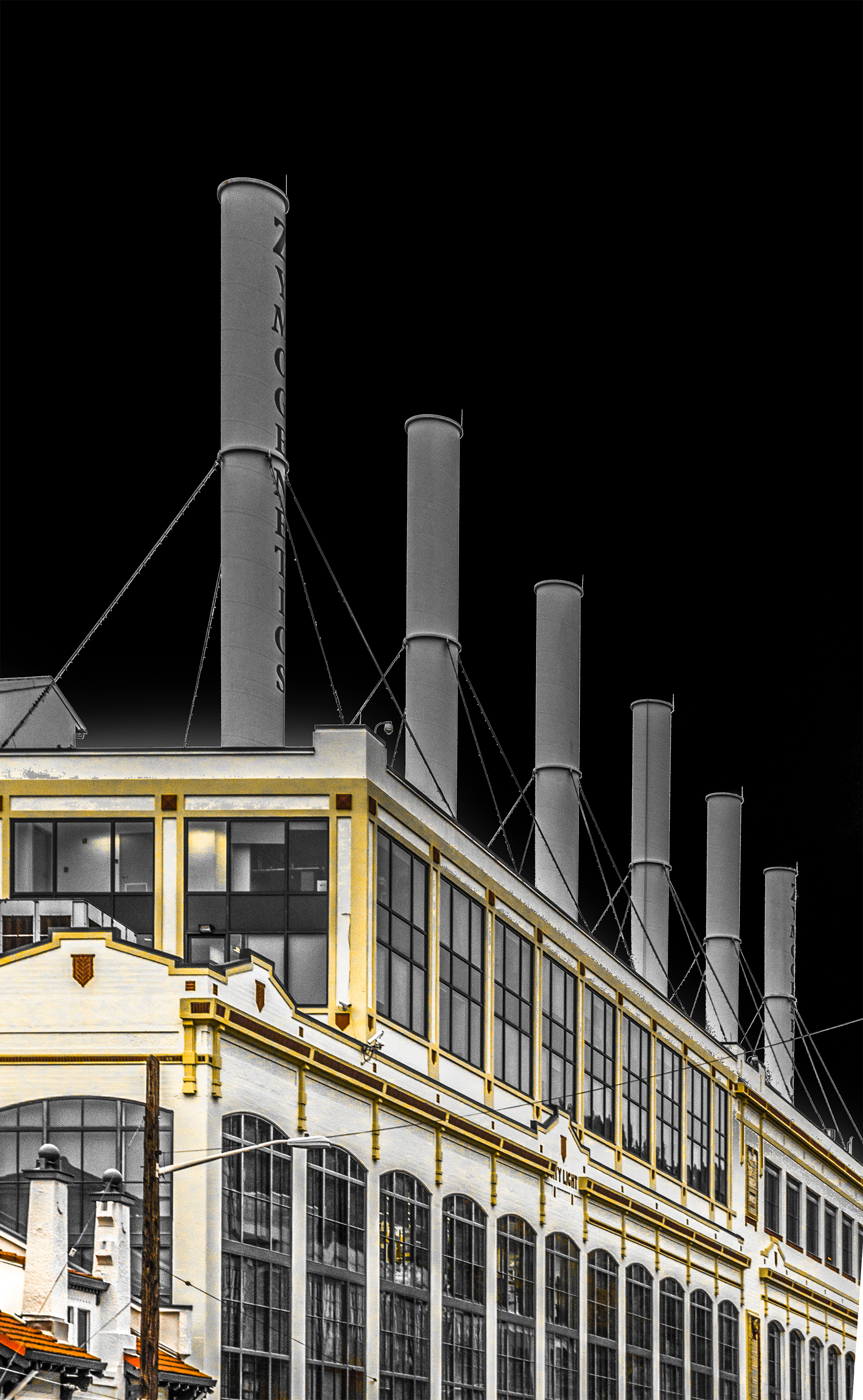
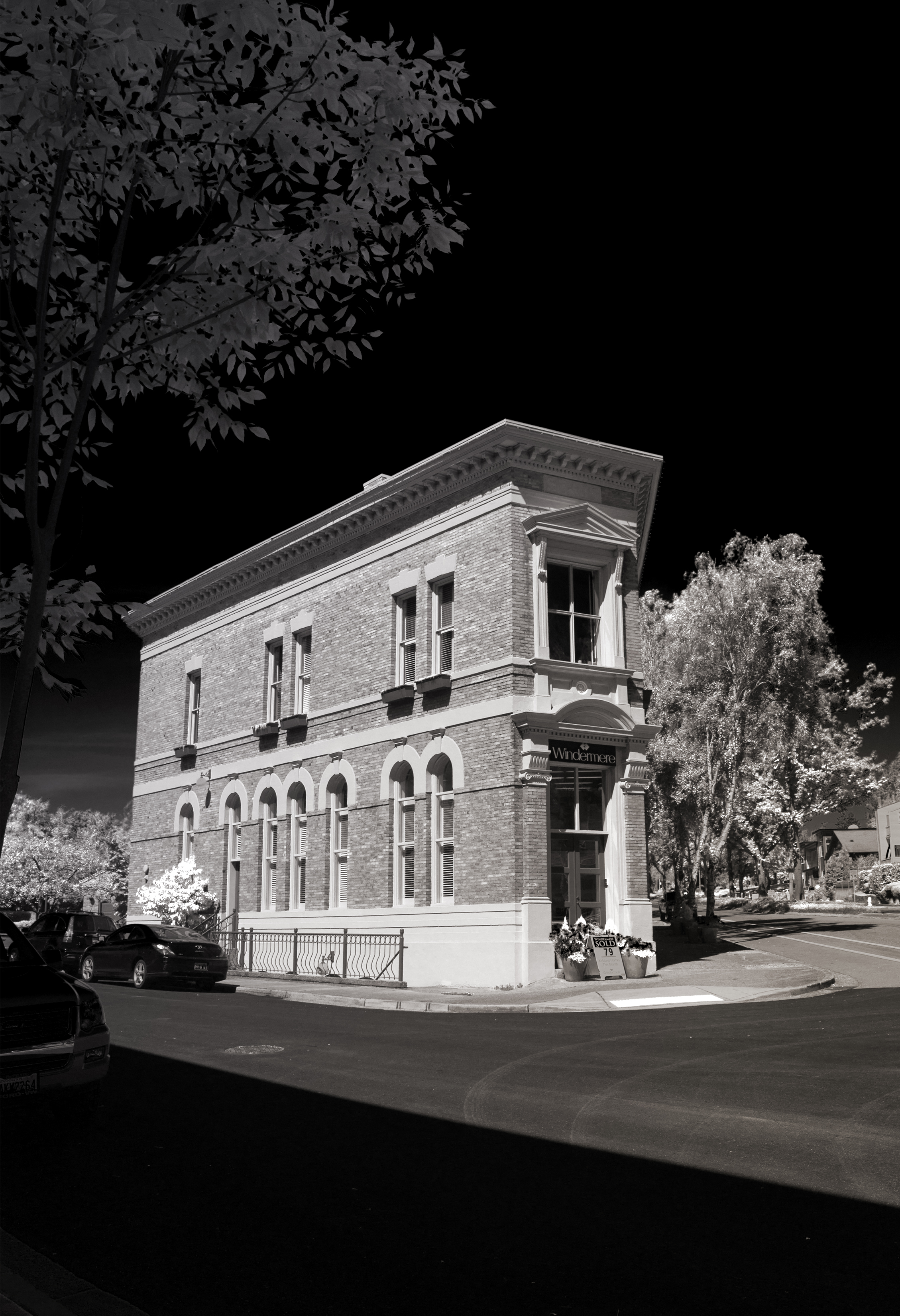
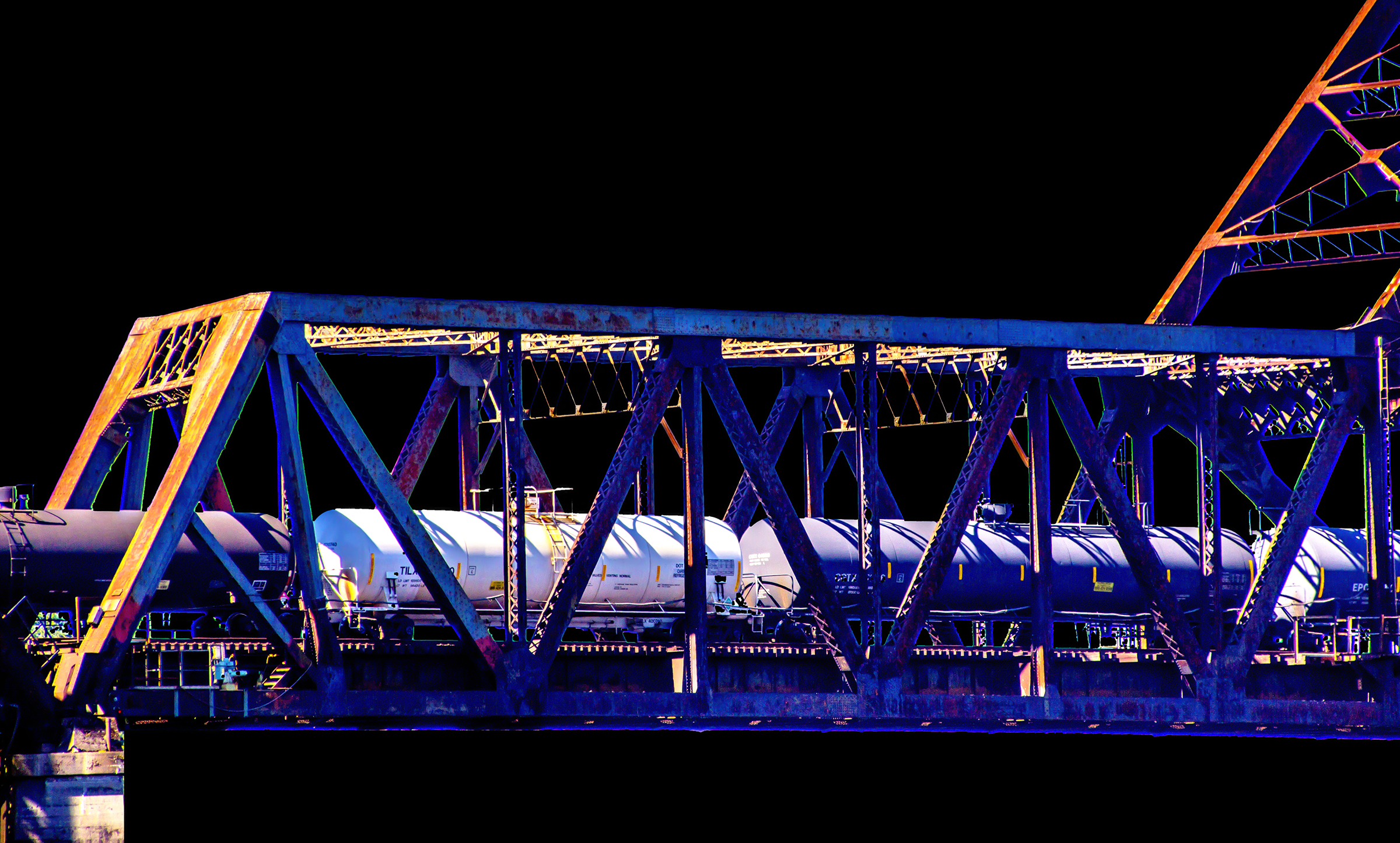
Photography by David A. Goodrum

David A. Goodrum, photographer/writer lives in Oregon. His photos have graced the covers of Cirque Journal, Willows Wept Review, Blue Mesa Review, Ilanot Review, Red Rock Review, The Moving Force Journal, Snapdragon Journal, Vita Poetica and appeared in many others.

See additional work (photography and poetry) at http://www.davidgoodrum.com

Two Poems by Sarah Zietlow

Please note: Poetry is compressed to fit smart phone screens. If you are reading this poem on a phone screen, please turn your screen sideways to make sure that you are seeing correct line breaks for the poem.

The View from My Balcony

The corner of Animas and Campanario
Centro Habana, Cuba

Three boys shoot marbles on the sidewalk below
the laundry their mothers strung from one crumbling balcony
to the next. Each glass orb, glistening, bounces into the street
and underneath the ‘55 Buick Special, painted Tiffany Blue
over Bondo, and parked beside mounds of trash on the corner
where old men pick through the rubbish, seeking useful things

hidden in a sea of plastic bottles and rancid food. Things
like one aluminum can, just peeking out from below
soiled diapers and molded, rotten fruit—one crushed corner
of the can gleaming in the sunlight, just visible from my balcony
above. Two blocks up the road, the Malecón heralds the blue
Atlantic beyond, where a north wind blows down the street,

bringing with it dreams of Florida and another sun-drenched street
somewhere in the south of Miami. Alicia upstairs says that things
are better there. In Florida, the sky and the water are impossibly blue—
Madres, padres, and their familias, can escape out from below
the crumbling facades here that threaten to crush them. One balcony
fell last week and took the whole building with it, just around the corner

from here. Four cubanos muertos, Alicia tells me, on that corner,
but you wouldn’t know it after the rubble was swept from the street.
¿De donde eres? the cubanos, one after another, call up to my balcony,
and after my response, shout, ¡Americana! America, after all, a thing
they’ve imagined in a daydream more than once upon a time. Below,
a woman walks past to empty her trash into the pile beside this blue

building on this blue street in this blue town, under a sky of blue
that makes everything still somehow seem gray. I wonder if this corner
is the same as any other, but then remember Miramar, just west. Below
each building there, the view is not like this. On each manicured street,
freshly-pressed suits stroll from one embassy to the next. Everything
is planted and pruned and contorted into lies that echo off each balcony

here in no-man’s land, where Yessie sells cigarillos from her balcón
for thirty-five cents a pack, and cold cervezas in cans of green and blue
for only forty more. But these little luxuries are the bigger things
that most cubanos in Centro cannot afford. On every corner
up and down Campanario, the buildings close in on the calle,
and an invisible gray fog settles more each day on everyone below.Perched high on a Habana balcony, I miss the little things:
The boy in blue shoots pebbles of plaster into the street
from the corner of the curb, and there are no marbles below.

This Side of Negril

Down here at the West End
on Hylton Avenue is where
Wen fries snapper at his roadside stand
on Sundays. Red sauce too,
poured over rice and peas
with a side of slaw on top. I’ll
wait across the way at Whoopie’s and I’ll
save you a seat at the westernmost end
of the bar. Together, we’ll share each piece
while the sun sinks (the sky wears
his Sunday best) down, journeying on to
the Caymans, Belize, then Guatemala. Stands
of palms hold hammocks, and you’ll stand
at the edge of the cliff—the edge of this isle,
while I’ll snap just a picture or two
before the green flash that comes at the end
of the day. The Canadian ex-pat, Brian, wears
another Hawaiian shirt and breaks off a piece
of his gizzada—and another piece
for the goat that stands
nudging her nose at the pocket where
the bag used to be. I’ll
call Ardie over from the other end
of the bar, and order two
more. Red Stripe for you, and a white rum too,
with fresh-squeezed orange juice and a piece
of hand-chipped ice.

                                                   Back at East End
women in shanty-town stands
sell tchotchkes arranged in tightly-packed aisles
to American tourists come to ogle there,
just steps, but a world away from their
all-inclusive hells (women that wear too
much makeup and too much money).

                                                                                     I’ll
take my rice and peas and the peace
of the doctor birds that flit through stands
of ackee trees down here at the West End.
Before she closes tonight, you stop for a few pieces
of bacon, two potatoes, and four eggs from Dora’s stand.
We’ll fry it all in the morning for breakfast—at the West End.

Sarah Zietlow is from a small town in northeast Ohio where she currently teaches language arts to 7th-grade students. She holds a BA in Education from the University of Akron, an MA in English from Bowling Green State University, and is currently working on an MFA in Creative writing in the Bluegrass Writers Studio at Eastern Kentucky University. Sarah’s work has appeared or is forthcoming in Adanna and Merion West. In her free time, Sarah enjoys sitting by campfires with her husband while simultaneously staring at the stars and contemplating how best to sell off all she owns in an effort to find herself in some place other than Cleveland.

Zietlow


“Umbrella” by Peter Rustin

Not What I Expected

We both agreed: eff it, let’s not cook.  It was the first hot night in May, and the air had that 7 p.m. green/grey heaviness.  This usually heralds the kind of thunderstorm that, in 15 minutes, cleans the air of the fragrances of the now-ubiquitous reefer and garbage, to be replaced by ozone and the leaves of the valiant sycamores in Central Park.

Our jobs were energy vampires: Vanessa endures her waitership at an expense-account Midtown restaurant where Amex Platinum holders pay $32 for a mediocre burger.  I’m an IT guy for a hedge fund.  Our life-force was too low that evening for us to weave around each other to cook in what was risibly described by the coiffed realtor as a Manhattan “kitchenette.” 

So, after we changed into our civilian gear (jeans and Converse for me; pale blue sundress for Vanessa) we headed out to Wok Cottage, our default neighborhood joint about 6 blocks away on Amsterdam.  Yeah, it’s nothing to look at, but the food was consistently good, and we loved the whole old-school Chinese restaurant vibe: the grimy plastic-encased menus with the red edges still dangling ancient gold tassels; the torn leatherette booths; the paper placemats with the Chinese Zodiac (amusingly, we were both Year of The Rat); the hint of orange in the fortune cookies.

Right away, I could tell something was off the moment we sat down.  Vanessa usually sits next to me in the 4-person booth that we always gravitate towards.  Tonight, though, she sat opposite me; what was that?  A classic Vanessa move would be to suggest some absurdly gross item (rabbit head is always a sound choice, as is duck blood soup).  But this evening she immediately suggested the usual Szechuan beef. 

If I’ve learned anything from stand-up comedians, it’s to not ask questions, but to let your girlfriend get there on her own dime.  So, I waited.  And sure enough, it came before the waiter did.

“Dave?  Can we talk?”

Oh, shit.  “Sure, of course.  What’s up, V?”

“So listen. Are you happy?”

Is there a right answer to that question?  If you say yes, and they disagree, you’re an asshole.  If you say, “uh, not really,” but they are happy, you’re still an asshole.  I warily cocked my head.

“Anyway, I’ve been thinking,” she continued.  “We like the same music, we like the same bands, we like the same clothes….”

She knew that this quote from Springsteen’s “Bobby Jean” would make me smile and lighten the mood.  Still, I waited.

“I know that this is out of the blue and we have never discussed it, and you probably never even thought about it, but…. (deep breath). What about you and me getting married this summer?”

She was wrong.  I had thought about it, plenty. But can I be honest?  I had always thought Vanessa was a bit out of my league, with her careless beauty, quick wit and an effortless ability to charm any group, anytime.  And so, I was kind of waiting for the shoe to drop, thinking that I was on borrowed time to begin with, and when the inevitable breakup came, I’d just be grateful for what I had had.

Continue reading “Umbrella” by Peter Rustin

Two Poems by Milton Jordan

Habits

I made a habit, then, of leaving
my third-floor apartment late each evening
to walk a few blocks down Fifth to Main
as movie marquees began to dim,
colored neon tubes attracted departing
crowds to bars and cafes while solitary
walkers, familiar from our nightly sojourns,
turned back along numbered side streets
toward rooms we’d left a short time before
and scanned TV listings for midnight features.

Midtown

I spent my better alone moments
on a crowded city street corner bench
where Lamar crossed Fannin in that silence
only stalled and honking traffic can create.

I preferred the evening glow of sunset
reflected off windows of multi-storied
office buildings followed by streetlights
slowly spreading into view.

I did not bring my notebook to that corner
nor record thoughts on a not that small
device hanging in my right shoulder bag
to save the scenes that might elude my memory.

I brought the corner back with me after dark,
pedestrians rushing from those offices,
the couple out for early supper,
the harried driver late for his.

I ride the much-reduced bus service
to that bench and the sun’s shattered setting
reflected off broken ninth story windows,
unlit streetlights disappearing in shadow.

I received Council’s Houston Tomorrow
Proclamation: “A New City Center”
adorned with full color renditions
of smaller buildings and bayou park trails.

I note the careful absence of specifics,
a failure to mention financial figures,
and speculate on Council’s slim chance
of progress toward Houston’s Tomorrow.

Milton

Milton Jordan, after many years in Houston, now lives with Anne in Georgetown, Texas. His work has appeared in anthologies, collections and journals, most recently, “Fellowship,” “Spitball” and “Texas Poetry Assignment.”

Please note: Poetry is compressed to fit smart phone screens. If you are reading this poem on a phone screen, please turn your screen sideways to make sure that you are seeing correct line breaks for this poem.

Two Poems by Susan Scutti

During the reign of restlessness
The only open seat
is beside a questionable
person. Wilting
you ease into the
space beside him.
He asks if you have a habit.
“A habit
isn’t a bad thing,” he says. “Some people live their whole lives with a habit.”
The train you ride causes a strong wind as
it arrives in the next station.
On the platform, a woman’s hair
rises and falls like an empire.
The phone you clutch carries a message
you’re unable to delete.
Other things you cannot discard are mistaken ideas about the rich and the casual slights by so-called friends.
Camera-ready smiles appear genuine
despite the vacant eyes tucked within
layers of makeup.
“We are troubled by behavior
that does not align with our own:
Your assignment for today is surrender.”
A slender shriek escapes your lips
while you doze among the beginnings and endings
of things discovered within
the night’s fragrant pulp.

Hudson Chapel
Maneuvering like
atomic particles, seafarers
ready their
kayaks as a
bird pirouetting on
the branch above my
head begins its
strange call: a drilling
sound as persistent as
examined conscience. Forlorn
industrial structures
squat on
a pier to my left while
a lone
seagull, impervious as
false confidence, floats toward
me along the tide.
It is assumed small
birds possess
no malice, no charity, no philosophy…
but how do we know?
Someday scientists
will view the
unconscious mind with special
instruments just as today they
inspect someone’s internal
organ — a liver, say, or
a heart — with contemporary
machines. The kayakers
in dayglo life vests grow smaller
as they glide into the distance.
Overhead
the motor of an airplane
drones and a fly, its
transparent wings twitching, lands within
the shadow
of my foot.

A woman and her
husband in early old age are
speaking in Russian as
they approach. The
woman passes
three empty
benches, then sits right beside
me… crowding me.
She turns and
says “Gud mohrnink” with a smile. In a
gentle voice her
husband scolds
her for her
sweet moxie which, glancing at
me, he understands I
forgive-respect-admire. On
the breeze, I smell
her, her
scent is not unpleasant just
dissimilar to my own. I suspect
she eats more meat than I do. Pickled or
otherwise prepared parts, perhaps
livers or maybe
hearts, the discarded
organs of the same
animals I
consume on occasion.
Exhaling, I watch the narrow houses
perched on a cliff across the river.
They stand isolated yet together,
whispering confidential secrets into
strong winds. Meanwhile
peace, random
yet always certain, arrives to bathe
the island, a scene of
colluding energies, as we three
sit side by side
observing.
Melville,
how right you were
to send Ishmael
to the sea, the sea
the sea:
strange mirror
of self-
discovery, a
bewildering pulse of
eternity.

scutti 8 sept 2024

Susan Scutti grew up in Woodbridge, NJ and has lived in New Haven, CT, Anchorage, AK, Boston, MA, Atlanta, GA, Washington, D.C. and her current home city, New York.  She loves to walk along the Hudson, listening to audiobooks and watching those passing in the opposite direction.

Please note: Poetry is compressed to fit smart phone screens. If you are reading this poem on a phone screen, please turn your screen sideways to make sure that you are seeing correct line breaks for this poem.

Three Poems by Amy Barone

Rio-The Way I See It

Hot pink is the color of Brazil,
but green is the color of Rio,
a tropical urban jungle pulsing with life.

Yellow is for flickering lights from the favelas
that hug lush mountains
offering prime city views,

where poverty, drugs and samba mingle
and young children bounce on a trampoline in Cantagala
immune to foreign visitors’ downcast glances.

Blue is for swank homes in artsy Santa Teresa district
echoing France’s Montmartre,
but where few workers speak other languages,
preferring to communicate in smiles and laughter.

White is for Cristo Redentor
with arms outstretched and oversized heart
who protects cariocas alongside city patron Sao Sebastiao.

black is the color of rosary beads that dangle from taxi mirrors
promising safety on and off the road,
the only jewelry we wear in this dangerously fun town.

City on a River

What Chester made no longer makes Chester.
Scott Paper, Ford Motor Company left for sunnier climes.
Blight replaced a factory town flanked by a shipyard
and ethnic neighborhoods that glowed.

Before communities dismantled and racial clamor tolled,
mapping out his peace plan, Martin Luther King chose the city
for divinity studies at Crozer Seminary.

Landmarks of learning endure, like Pennsylvania Military College,
now Widener University, and Chester High School.
I pore over my mother’s yellowed letters.

Chester High students credit their old English teacher
for love of reading, guidance, success.
I feel a flicker of her hometown allure.
Change rains lightly.

A national soccer team built a stadium in the city’s largest park.
Games sell out.
Freighters glide by.
The glistening Delaware River reflects the stars.

Art En Plein Air

No need to enter museums or galleries
to experience Buenos Aires art and politics.

Just wander the streets of the Palermo barrio
where mothers and sisters
whose sons and brothers went missing
send messages through vibrant murals.

Or read the walls flanking chichi restaurant Tegui
to learn how fiercely Argentines revere the islas Malvinas.

No need for rich patrons to be an Argentine artist.
Make city walls and private homes your canvas.

Theatre designer Jazz commemorates two murdered boys
with a charcoal of raging bulls.
Pum Pum channels fun with her pink and blue cats
and a big banged little girl in high heel boots.

A Cuban artist splashes a wall
with the expressive eyes of his father-in-law
whose sole dream was to have his ashes
returned to Buenos Aires.

Amy Barone (5)

Amy Barone’s latest poetry collection, Defying Extinction, was published by Broadstone Books in 2022. New York Quarterly Books released her collection, We Became Summer, in 2018. She wrote chapbooks Kamikaze Dance (Finishing Line Press) and Views from the Driveway (Foothills Publishing). Barone’s poetry has appeared in Martello Journal (Ireland), Muddy River Poetry Review, New Verse News, The Ocotillo Review and Paterson Literary Review, among other publications. She belongs to the brevitas online poetry community. From Bryn Mawr, Pennsylvania, she lives in New York City and Haverford, PA. X: @AmyBBarone

Please note: Poetry is compressed to fit smart phone screens. If you are reading this poem on a phone screen, please turn your screen sideways to make sure that you are seeing correct line breaks for this poem.

Three Poems by Eóin Flannery

City of the future

The branches of the trees are a squall of applause,
choiring out ragged notes on the park fence.

From the bench, shedding its paint in burnt petals,
I notice a trunk like a chipped dark vase, unpolished,

leaning off-balance, steadying itself with a thin elbow
on the iron perimeter gate that keeps the children
from the traffic.

Twisted with age, its face is curved with wisdom,
and I half expect it to curl
a twig in my direction.

Milky light breaks the cover of the upper branches,
daubing the lawns with a cage of brightness and shadow,

warming my skin with unsteady jets of heat,
heat that disperses unevenly out from the lawned
park,

heat that reaches beyond the traffic blockages, carried on
the same currents as the purest pollutants

speckling the arteries of circular motion,
the city’s cluttered corridors through which
we will walk.

The unstirred air is padded out with warmth,
worn as baggage, time’s stained clouds.

Unshadow – Wurzburg

A yellow tram folds itself around
the corner,
slippage and spark
are cobbled together at high pitch.

My shadow drains through the streets,
it seizes and strains,
brown eyes look
from behind the chains of rain
mingling
on the weathering shopfronts.

Steps lead to the bridge astride
an overwhelm of Spring river,
from where a sound that clouds out
the footfall of the passing and the past.
Where its white and grey mess
trespasses on disquiet.

High above the city,
your hand presses
on castellated walls.
Knuckles of stone, worn with story.
But there are gaps,
imagined looks and bursts of smile.

And there is that heartbeat
that recoils
from expressing too much, too late.

I try to unshadow it,
through the looks of others.

Aussteigen – Stuttgart

The doors of the train
snap shut like two bare
hands clapping against
a bitter cold, sending a shiver
through the bodies of those
that cluster on its plastic
seats.

Mice thread their way through
the brackets of steel below
on the tracks as

we race the escalators to
the bottom,
hit the platform –
too late,
but take
consolation in the
underground heat that
pads out
the tunnels.

We wait.

According to the colour-coded
map, we need the S3 to
Stadtmitte,
where we change to the S6,
it will take us all the way to
Weil der Stadt –
a mythic place,
the end of the line.

On the undercard of city life,
we wait for the gathering
vibrations of the next train,
the prickling tickle of its
tongue
beneath our feet –
the shared feeling that
something is coming.

download

Eóin Flannery is a writer based in Limerick, Ireland, where he is Associate Professor of English Literature at Mary Immaculate College. He has published 12 books of cultural criticism. His poetry has appeared in ‘The Galway Review’ and ‘Vita and the Woolf’, it is forthcoming in the ‘Hog River Press’ and in ‘Inkfish Magazine’. He is working on a collection of poems entitled, ‘Unshadow’.

Please note: Poetry is compressed to fit smart phone screens. If you are reading this poem on a phone screen, please turn your screen sideways to make sure that you are seeing correct line breaks for this poem.

“Popstar” by Margaret D. Stetz

my skin folds like a fan
my face an overripe tomato
reddens puckers
while my spine creaks on its hinges
my fingers curl and crimp
my clothes are vintage
jackets oversized with pads
like kittens sleeping on my shoulders
songs I hum aloud today
were once too cool for words
now sound too stupid
but please do not reveal
my secret—
I am really still fourteen-years-old
onstage in school performing
sure my future
is starbound…
as I wait now on
subway platforms
the loudening rumble inside tunnels
turns into applause
my selves from seven decades
surrounding and supporting
like girl-group backups
help me to survive
the pounding waves of urban life
come up for air
and in the darkness
even see
my name in lights

Margaret D Stetz 2024

Margaret D. Stetz is the Mae and Robert Carter Professor of Women’s Studies at The University of Delaware.

Please note: Poetry is compressed to fit smart phone screens. If you are reading this poem on a phone screen, please turn your screen sideways to make sure that you are seeing correct line breaks for this poem.

Two Poems by Scott Davidson

Snow on the Cars

The couple setting off in dress shoes have no idea
what walking home means. Snow like this changes
perceptions of competence. Clueless and therefore

undeterred by muck and chaos, by the memory of sitting
in the lobby of their father’s building weeping as their
feet began to thaw. Later, on the balcony, cars along curbs

form lines that make them look abandoned. Snow has
hardened in harmless sheets conforming to hoods and
sideview mirrors. Winter back home transformed us

to heroes. All over town, cars that drove in cold from
the hills appeared on streets like battered scouts. Cars
with windows fogged all around, heat from who knows

how many bodies. Here, snow is sudden and never
prepared for. The woman in heels and the man in loafers
will understand how wrong they’ve been. Those of us

leaning on fences back home, peering down creek valleys,
take it on faith there’s wisdom in surviving where those
valleys lead. I was only a quarter mile from my house,

standing in snow and stubble of weeds. In my layers of
clothes, my cinched down hood, it was clear in the suddenly
anxious distance, we are all of us lucky to be alive.

Streetlights

Blue or not, the last man through the door
never noticed the color of the walls or the height
of the man running in front of him. In those ways he
knew he was a disappointment. Later, in the coffee shop,
stumped by what to do when he leaves, he waits for some-
one to enter and change the direction of his life. Walking
home he feels unburdened – night air, streetlight hum,
hiss of traffic like a river. As he crosses Broadway, looks
back for cars, anything could be about to happen.

Scott Davidson • Author Photo

Scott Davidson grew up in Montana, worked as a Poet in the Schools and lives with his wife in Missoula. His poems have appeared in Southwest Review, Bright Bones: Contemporary Montana Writing, and the Permanent Press anthology Crossing the River: Poets of the Western United States.

Please note: Poetry is compressed to fit smart phone screens. If you are reading this poem on a phone screen, please turn your screen sideways to make sure that you are seeing correct line breaks for this poem.