“Queen City” by Erin Jamieson

We lived in undulating suburbs:
one brick home to the next
away from the cacophony of
blinking city buses & factory fumes
a mundane routine of chores
& studying, preparing for a future
my mother insisted I have:
safe, confined, stable but

my trips to the city became more frequent:
first, school trips with brown sack lunches
with soggy pb&J sandwiches: Eden Park,
Underground Railroad Museum
the city was colorful, chaotic, never asleep-
both frightening & compelling

I wandered back into the city
with no intent, just a need
to escape the small brick home
I found myself back in:
living with my parents in my 20’s

I took a trolley, wandered Over the Rhine
ordered a Shawarma Wrap from Arnold’s
bought flowers from Findlay market
tossed a coin just outside Fountain Square

I returned home, pansies and violas in hand
the scent and heartbeat of the city
clinging to my clothes like a second skin

& I knew it wouldn’t be long
before I found my way back

jamieson.78Erin Jamieson holds an MFA in Creative Writing from Miami University of Ohio. Her writing has been published in over eighty literary magazines, and her fiction has been nominated for a Pushcart Prize. Her debut novel, Sky of Ashes Land of Dreams, was published by Type Eighteen Books (Nov 2023). Twitter: erin_simmer

Please note: Poetry is compressed to fit smart phone screens. If you are reading this poem on a phone screen, please turn your screen sideways to make sure that you are seeing correct line breaks for this poem.

“Afterwards” by Gene Fendt

The hurt purple of evening’s clouds
has pulled its quilting between the rooves and stars,

and winter spreads its tablecloths
upon the dozen building tops within his view.

Only the table in the farthest corner
has a light,

awaiting the happy couple
whose reservation has been cancelled.

                              *

In the gathering dark the snow appears
as a prayer of the heart spoken

long before it is known by the mind,
as once they had entered each other’s lives,

as wind begins its quiet dance with snow.
The deeper dark behind him grows:

the quiet sanctuary abandoned,
he stares at the single light.

                              *

Every table is the most expensive in the house:
the one at which no one is seated;

the lit one is exorbitant,
but for it we would not be open.

Only by accident and unknowing
will both be in this city again,

though the fresh linen snow will fall
a dozen times this winter,

starched to the crisp fall at the corners
on the tables they once looked upon

with love.

Geneheadshot24

Gene Fendt is the Albertus Magnus professor of Philosophy at the University of Nebraska, Kearney. His first book of poetry, “Eternal Life and Other Poems” will be published early in 2025 by Angelico Press.

Please note: Poetry is compressed to fit smart phone screens. If you are reading this poem on a phone screen, please turn your screen sideways to make sure that you are seeing correct line breaks for this poem.

“At the Museum with Mr. B” by Gene Fendt

“There’s a duchess,” he said, “who sees the world,
and knows its tricks; has played some in her time,
but now prefers a calm and sumptuous rest,
which this portrait gives her: a clear—nor evil,
nor confessing—eye, now looking on your
newest world with ne’er surprise or wonder.
Her own flesh, once ripe with five-fold joys,
still looks plausible, as she willed, though bone,
unfeeling, is all that may remain somewhere.”

“In this farm scene something of my old world
goes on, and of its better imagos—dei,”
he added, my half-learned Latin blinking back.
“This washer-woman, bare and chapped of arm,
still seems to feel the hot work her spent days
did—arms, shoulders, back, knees, even in sleep
shaped to muscle necessities through time.
Her younger counterpart—daughter perhaps?—
the milkmaid, sylph soft, though hair is up for work,
forehead against the warm haunch, still half a-dream
against the world her mother’s face is hid
by steam of. All of life not just between them,
but in them, under them, around them. Thus art,
and artist’s work, are only to reclaim:
Nothing having never lived takes its life
from him, but something live may live again.”

So we walked down, into the modern wing.
“Now this, I must confess, is quite above
my art and understanding—these dozen stones
a-piled, and twice that many, here, laid straight
upon the floor. Many streets I walked
with her were cobbled so—Rome, London,
Florence, which we loved with each own heart—
each stone owned history too. Dante, mayhap,
stood on one when first espying Beatrice,
another caught the blood of Caesar, or
a saint. Stonecutters, for their daily wage,
had fit them well for Summer’s swell, Spring rain,
Winter’s contracting bite. We knew all this,
and lived and walked, or carriage rolled upon them;
but these, removed, no longer part of life—
though once they were…. Their history writ and pasted
on the wall here, informs us of some slave port
landings and one time sugar storage:
what means this now, dissected from the whole,
and moved for exhibition to continent
and tongue of which it has no part? They are
as meaningless as stone, unless one speak
for them. Once cobbles spoke themselves to us—
of elders, of their elders, and their work—
a city we still could wonder in, walk on,
be grateful for. And is this all displaced?”

We exited to a shade filled atrium—
Roman copies of silent dancing Muses,
a laughing satyr, three burghers of Calais.
“In your gigantomachic city, this museum
seems not to scale, all else proportioned so
Titans alone might walk and see the sun.
This to human measure, and flaws humane,
spacious as a brain, with old—or sudden—
colors, versions of the universe, and
virtue pedestalled, here and there, a moment
on an off day to behold, to wander round
and down the quick steps to the café.”

“Except a love by which spirit pulls mind
through body to another spirit likewise
reaching for that beauteous totus tuus
embrace, I wonder what this time on earth—
our only—is all for; so all my work
is hers, as she once wrote for me: Portuguese
to English, nonesuch without her.”

“That you I never met before are kindred
in that spirit I have surely hoped for;
that all might see through each to the soul, I wished,
in work, to practice seeing: truth begets,
and trues, our wonder—what we were made for.
That bubble you are bent on blowing big
the sharp world will quickly prick—or itself
explode, its heavy bottom pulling
the world weight of its surface to a plane.
Only love’s gifts last, all of these are art.

Geneheadshot24

Gene Fendt is the Albertus Magnus professor of Philosophy at the University of Nebraska, Kearney. His first book of poetry, “Eternal Life and Other Poems” will be published early in 2025 by Angelico Press.

Please note: Poetry is compressed to fit smart phone screens. If you are reading this poem on a phone screen, please turn your screen sideways to make sure that you are seeing correct line breaks for this poem.

“Under the City, 1992” by Gene Fendt

On the subway you see:
sorrowful, defeated, dazed,
a girl almost in tears,
dark hair hanging
over her face; the man
in a dirty Giants jacket
asleep at 5:15;
and in the next odd car
an ethereal beauty, turned
to see herself in the dark
glass, not yet aware
of the world, nor wanting it.

Geneheadshot24

Gene Fendt is the Albertus Magnus professor of Philosophy at the University of Nebraska, Kearney. His first book of poetry, “Eternal Life and Other Poems” will be published early in 2025 by Angelico Press.

Please note: Poetry is compressed to fit smart phone screens. If you are reading this poem on a phone screen, please turn your screen sideways to make sure that you are seeing correct line breaks for this poem.

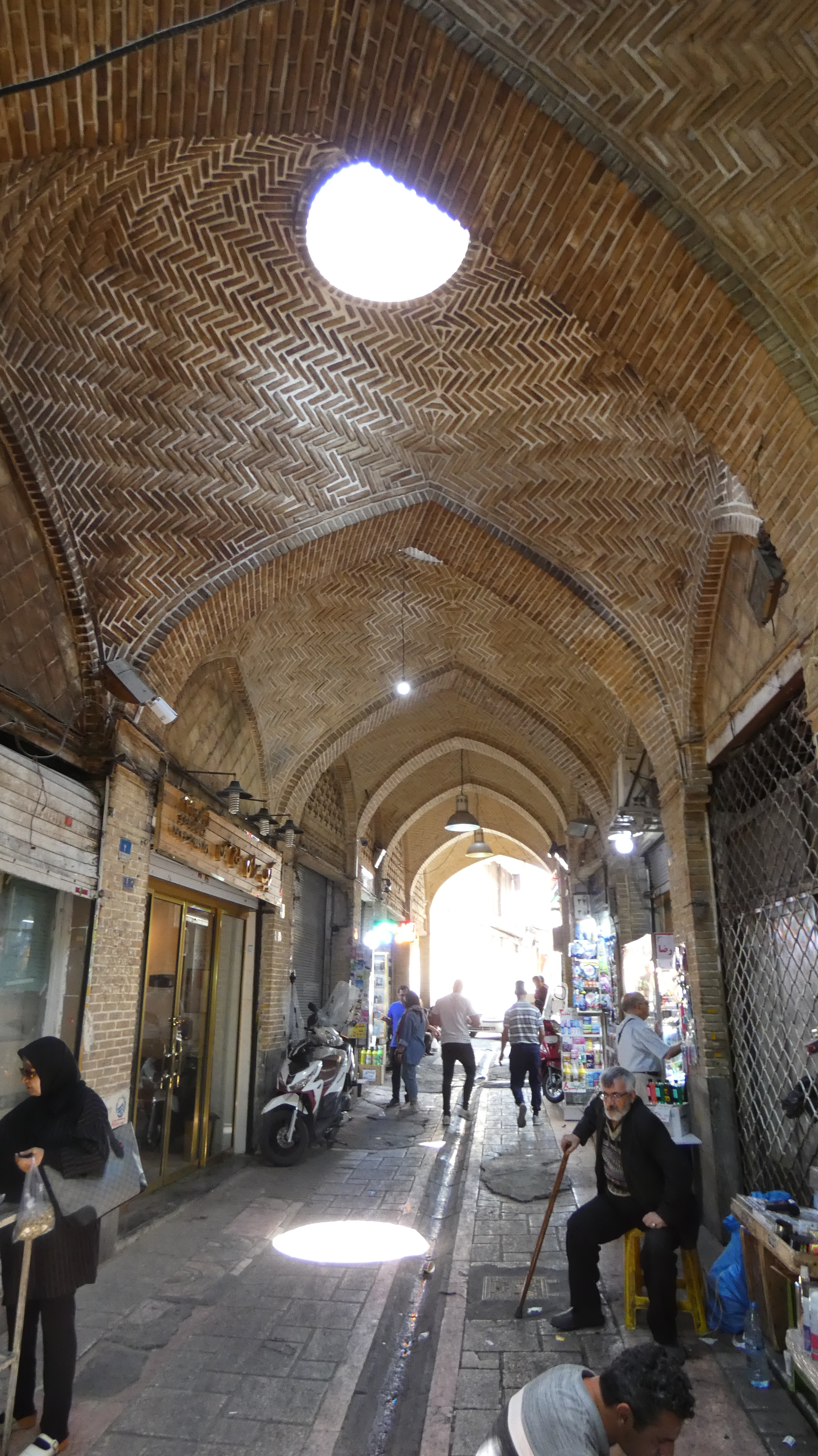
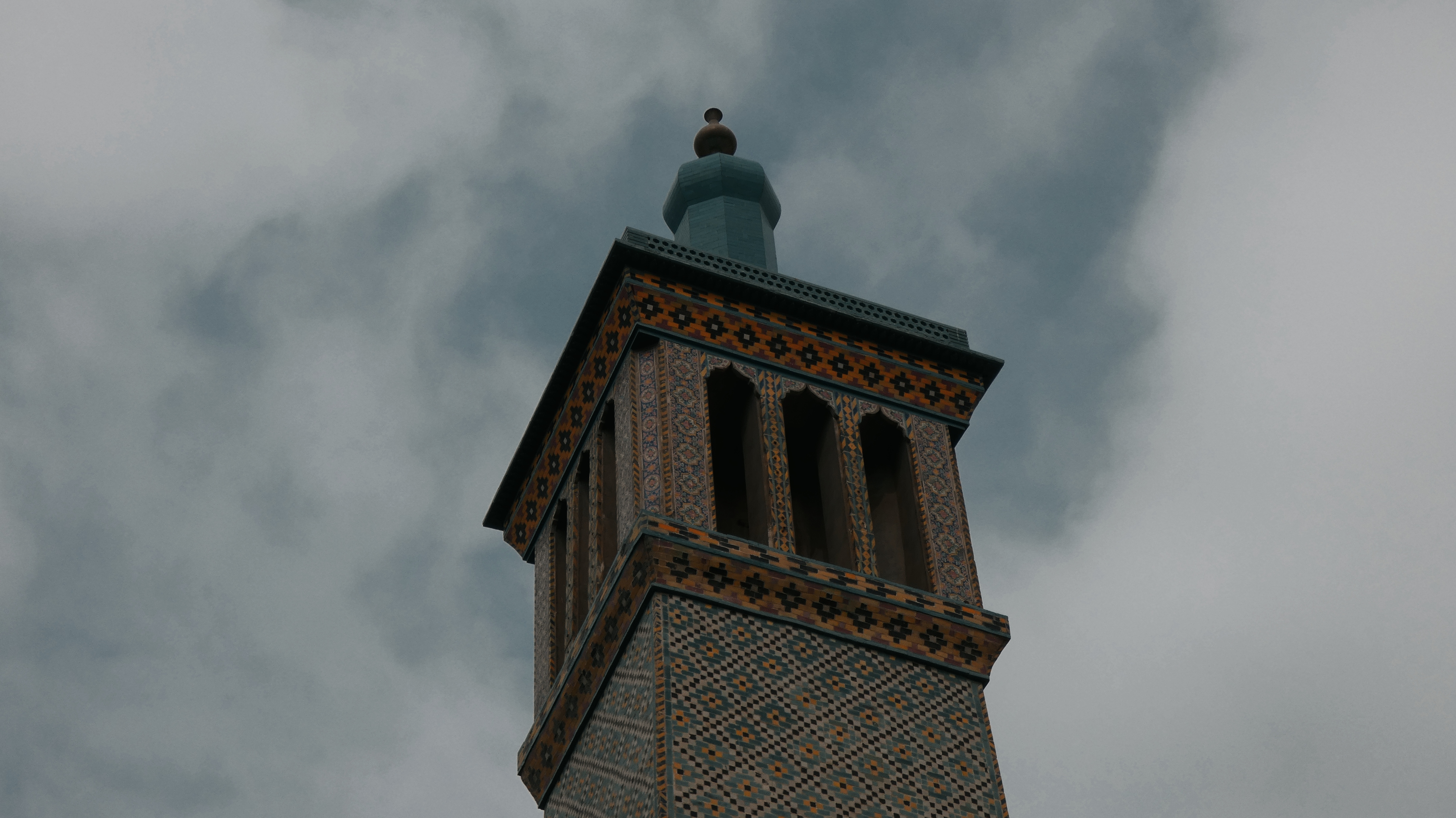
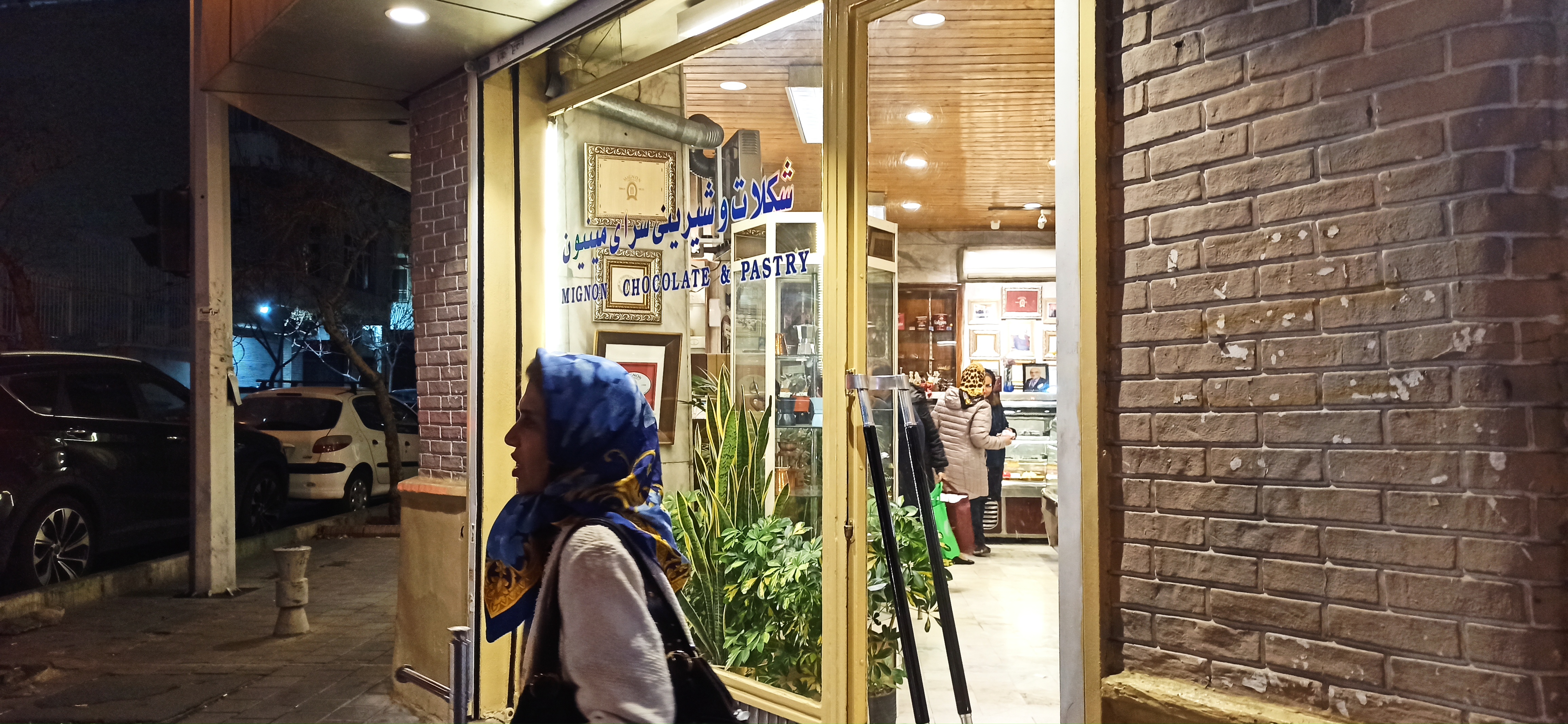
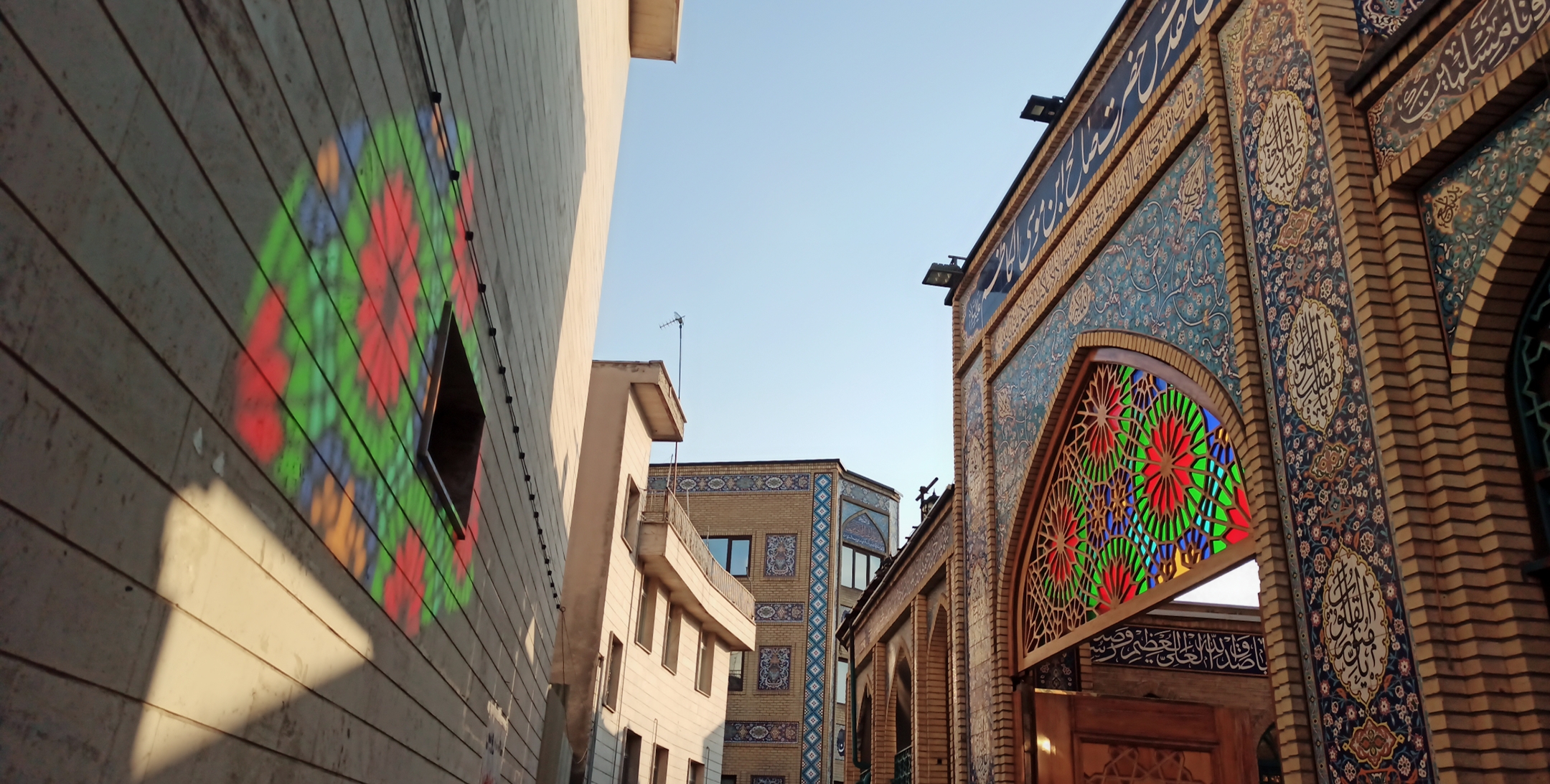
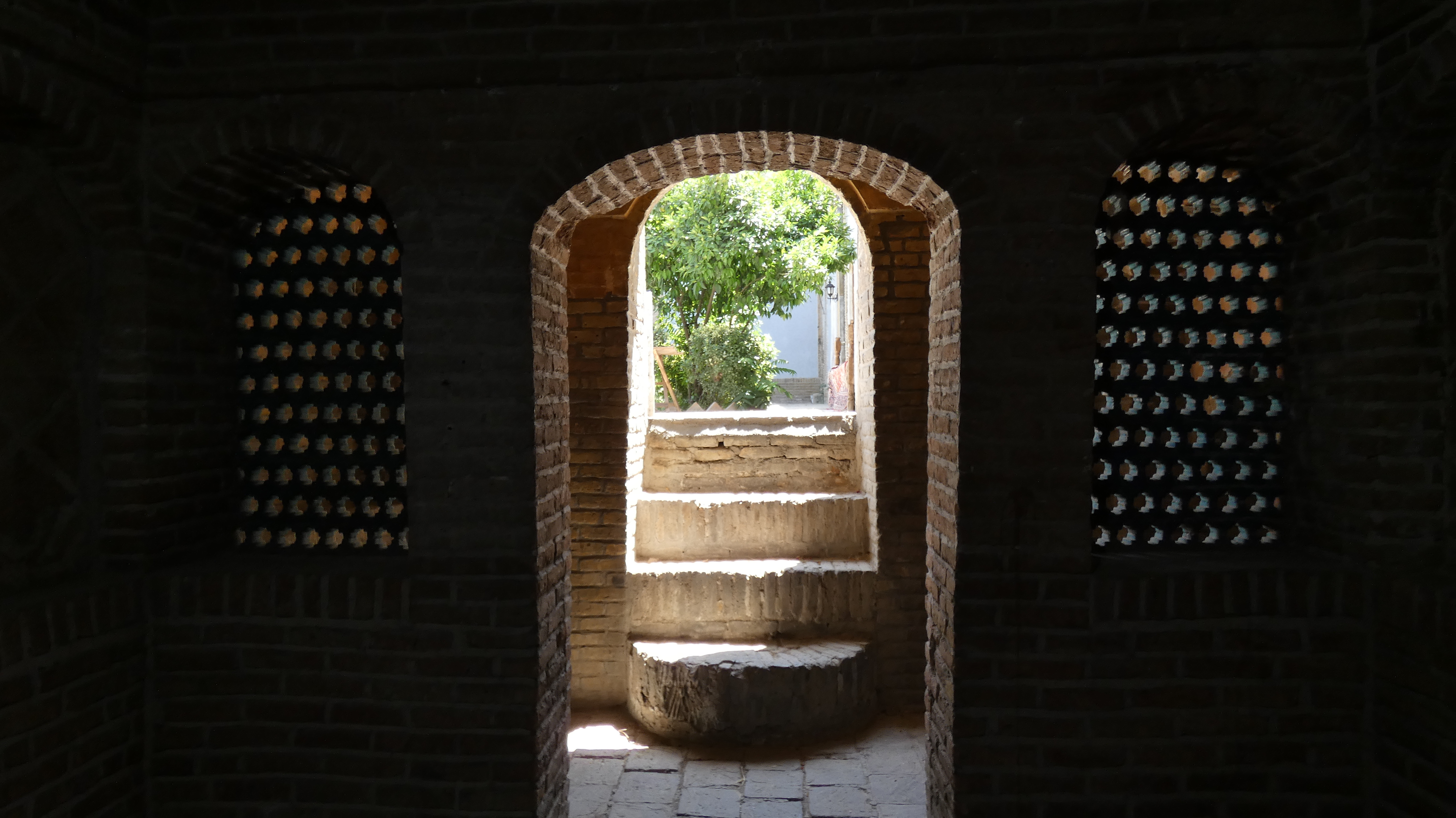
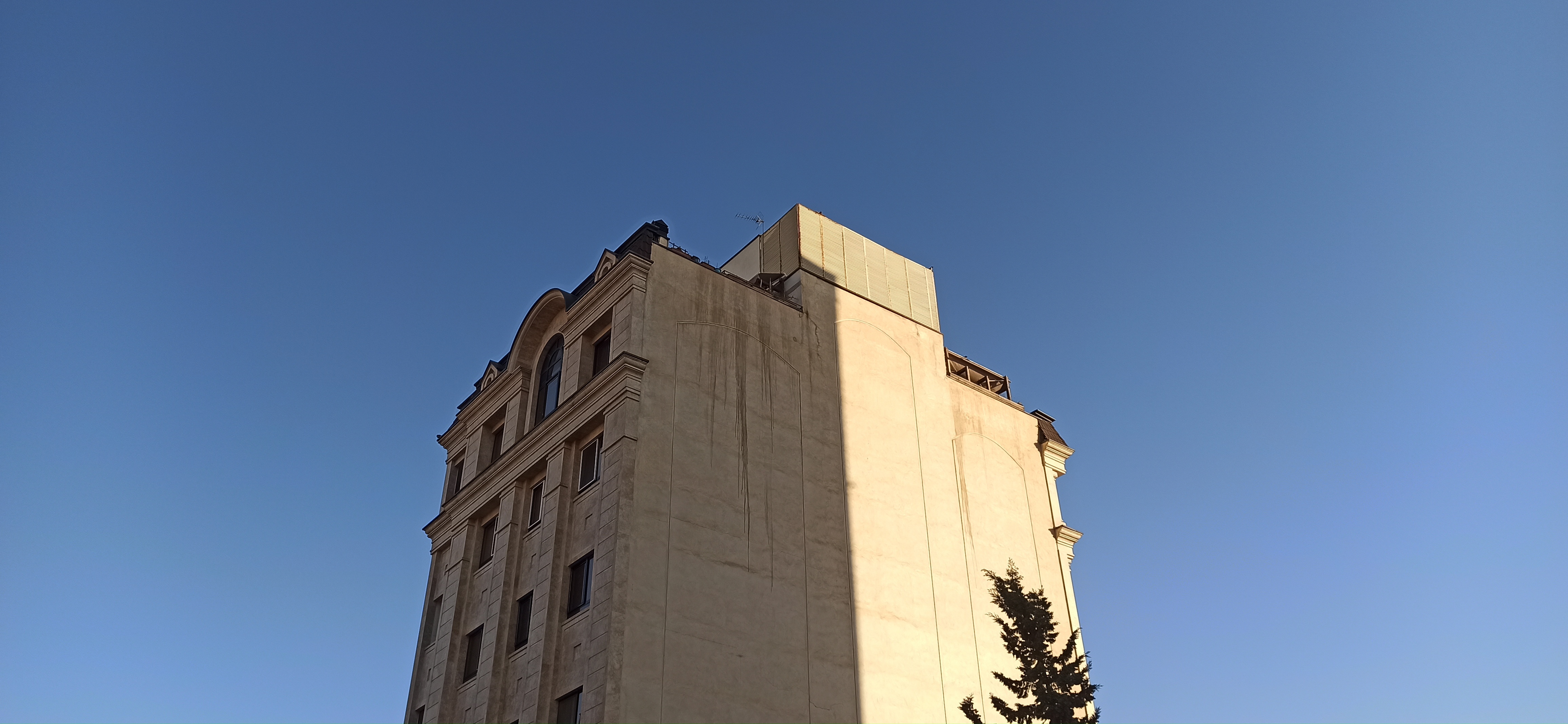
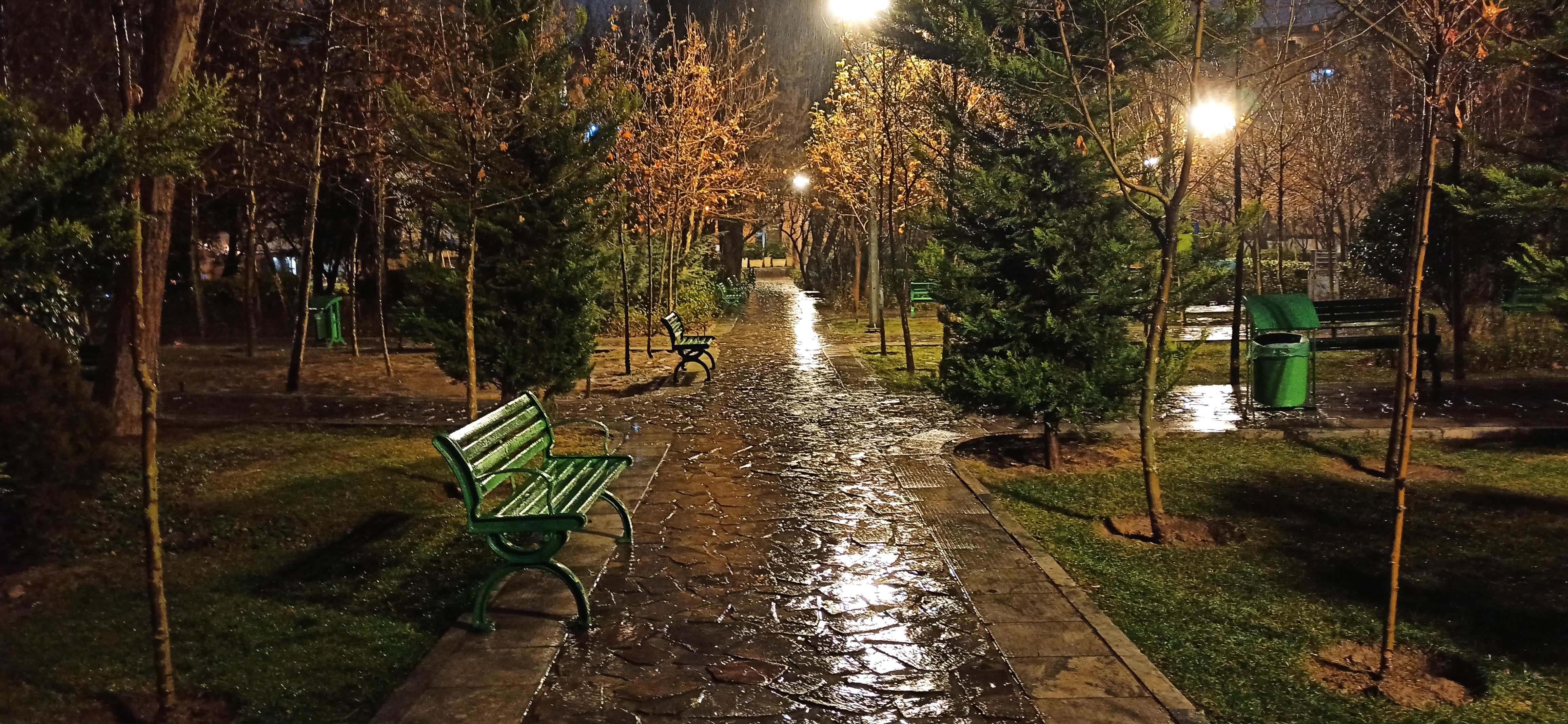
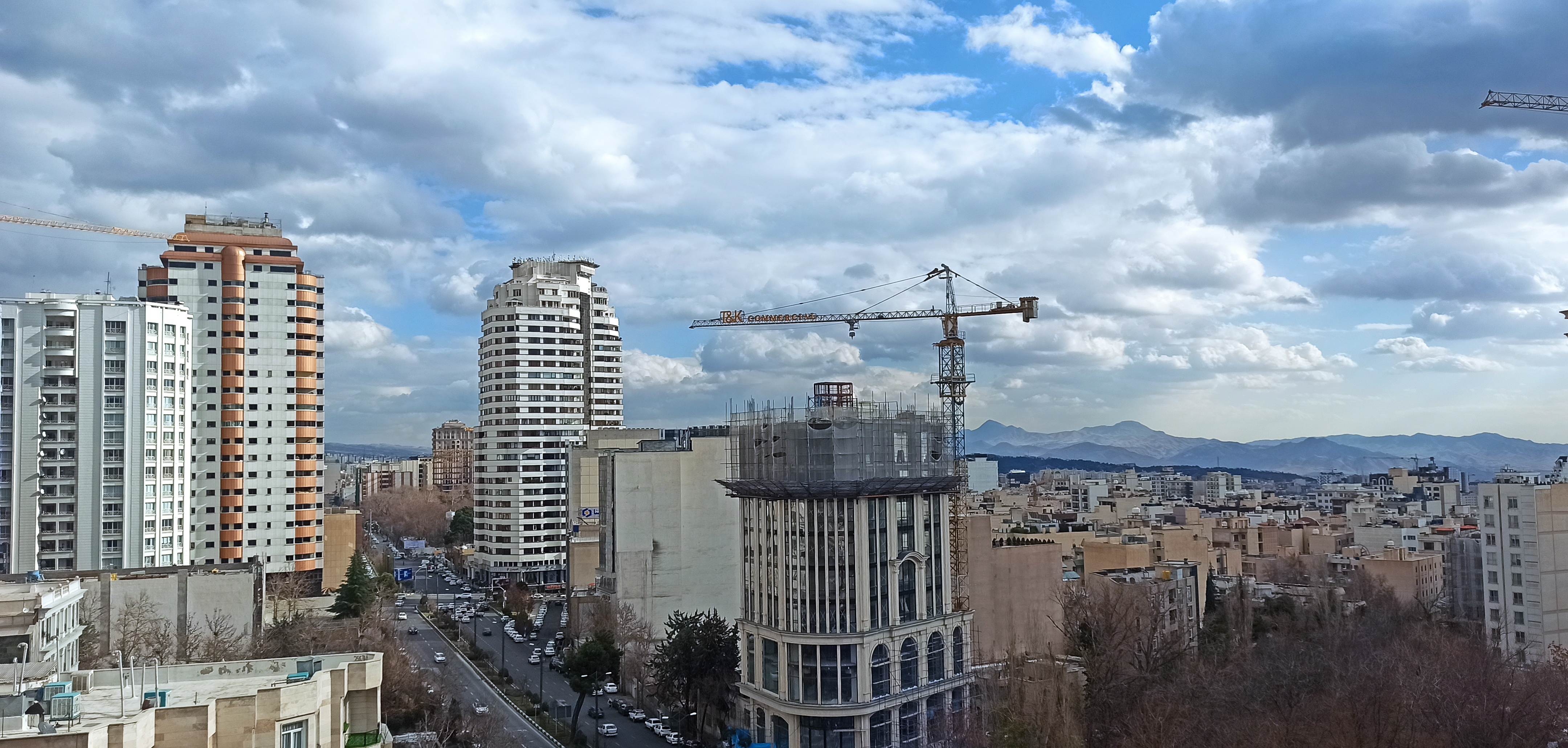
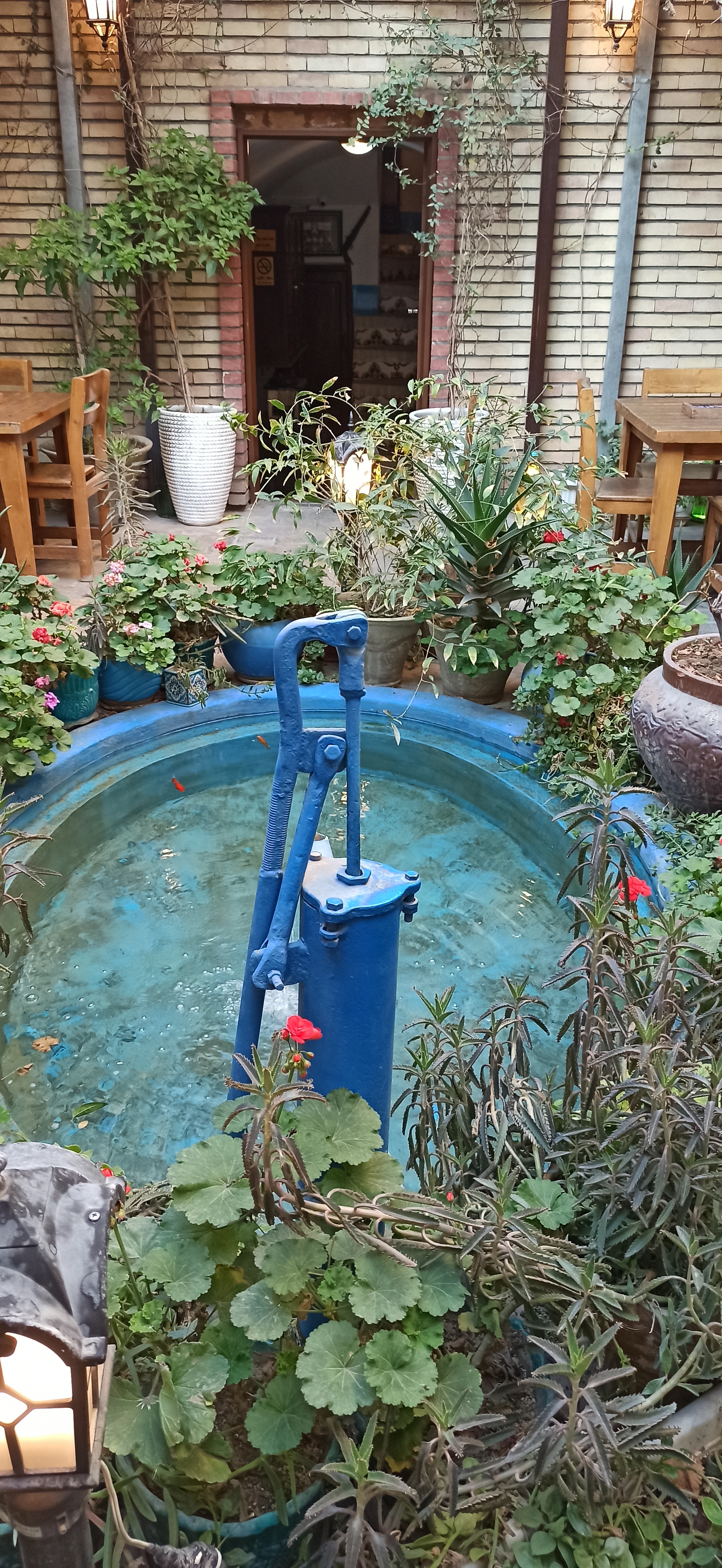
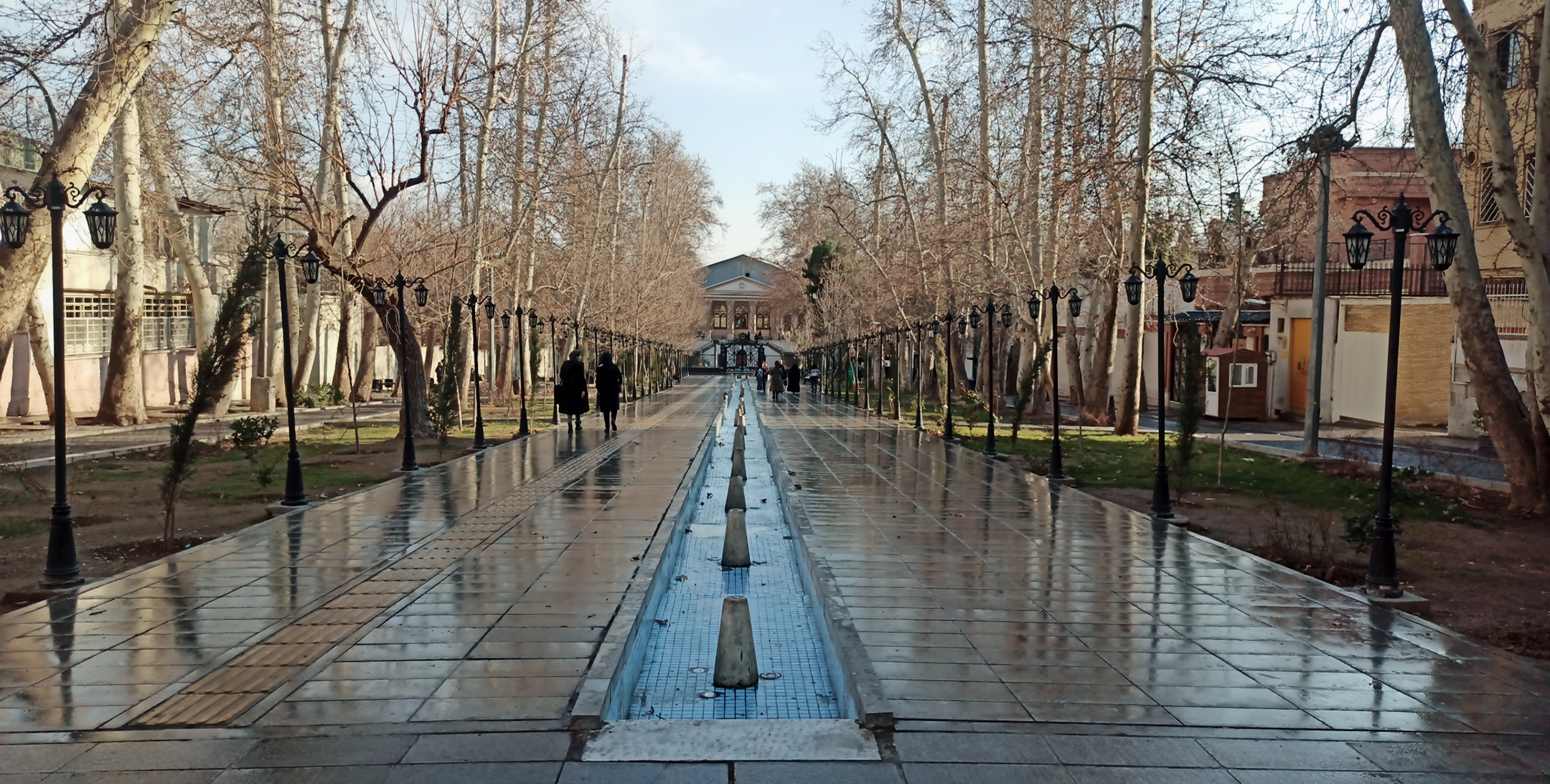
“The City of Tehran” by Moez Mirmotahari

Moez Mirmotahari is a multi-disciplinary, self-taught artist, a keen observer of life, and, above all else, an adventurer.

Born in Tehran, Iran his interest in the arts began early with his sculptures crafted from aluminum foils. The skills developed through this interest led him to becoming one of the youngest members of the AIS (Association of Iranian Sculptors).

Through his experimentation and studying of different styles and forms of literature, Moez has penned several poems and short stories in Persian and English. An adept linguist, he is fluent in a number of languages.

He has completed his BAs in English Literature and Management/Accounting as well as an MBA from UC3M in Madrid, Spain.

Currently, his artistic focus is on the art of photography, capturing moments of connection to our current times and in the trails of history. Through the eye of the lens, Moez translates the importance of preserving and illuminating our experience on our environment. Find more of Moez’s work at https://500px.com/moez13

“Welcome to Bella’s” by Michael Theroux

Outside, the crisp yellow heat is brittle and breathtaking,
and has just flattened the afternoon.
Inside, there is cool dark red wine,
piles of pasta, platters of cheese & crusty garlic bread
with little plates of olive oil and balsamic,
and fresh ripe fruit – and time.

Time enough for us to talk, leaning in close
Bella’s – as if the very canals of Venice ran by outside.
Not streets of the southern San Joaquin.
Dull car traffic seems to be replaced
by gayly painted gondola poling their quiet way along –
while we sit with elbows on a red checkered tablecloth.

Apropos for Italy to exist here in America,
to not blend in, but to stand out bright,
discrete and insular, its own three-block nation.
Whether Napoli or Cherokee, we are a Nation of Nations
exuding the heady aroma of Difference,
the essence of Diversity.

TERU-2023

Michael Theroux’s career has spanned from field botanist, environmental health specialist, green energy developer and resource recovery website editor. Now he is shifting from the scientific and technical environmental field to the creative. He spends his days writing incessantly in his home in Northern California.

Please note: Poetry is compressed to fit smart phone screens. If you are reading this poem on a phone screen, please turn your screen sideways to make sure that you are seeing correct line breaks for this poem.

City Photography by Edward Lee

Edward Lee is an artist and writer from Ireland. His paintings and photography have been exhibited widely, while his poetry, short stories, non-fiction have been published in magazines in Ireland, England and America, including The Stinging Fly, Skylight 47, Acumen and Smiths Knoll. His poetry collections are Playing Poohsticks On Ha’Penny BridgeThe Madness Of QwertyA Foetal Heart and Bones Speaking With Hard Tongues.

He also makes musical noise under the names Ayahuasca Collective, Orson Carroll, Lego Figures Fighting, and Pale Blond Boy.

His blog/website can be found at https://edwardmlee.wordpress.com

“The Problem of Sequencing” by Jim Stewart

Motivation: Brooklyn is a matrix of blocks
for example, on Church the cars roll slowly, and honk
to pick up rides off the street. Everyone knows a way
to get around, squeeze between. In a Hilbert space
the dimensions can be infinite. So where are you?
From Empire Ave to Eastern Parkway the hill rises
and the Messiah’s face is everywhere. The problem
is trivially solved in spacetime. But every corner
is different from the day before. In the old truck lot
piledrivers are pounding in another tower beam.
The pierogi place is a weed store. Everyone knows
a way to a place they saw five years ago, or twenty.
It’s still there, and all gone. I’ve seen people stay
right where they are and end up in a different city.

Jim Stewart

Jim Stewart has been published or has poems forthcoming in In Company, New Mexico Poets after 1970, Liminality, Rattapallax, Passengers Journal, and the Moonstone Arts Center’s Ekphrastic Poetry anthology. He co-edited and designed Saint Elizabeth Street magazine and hinenimagazine.com. He teaches programming and logic in New York.

Please note: Poetry is compressed to fit smart phone screens. If you are reading this poem on a phone screen, please turn your screen sideways to make sure that you are seeing correct line breaks for this poem.

From “Atlas” by Glenn Bach

Williamsburg Bridge
in the morning Manhattan bound:
the trees of the East
River park a thicket
of brambles, a brown blur
of winter, the sun behind you
a crushed daisy, hushed ferry cuts
a sword blade along the surface
of the river, the J train above your
heads a halo that goes and goes.

Williamsburg Bridge
in the evening Brooklyn bound:
a tug nudges a river barge,
you stood front window / front car
on the J train Brooklyn bound,
the underground
unfolding before you, graffiti-
thick and glimpses of squatters
and no sun forever.

And in the morning the same
rooftops and factories of Brooklyn,
the same barge again cutting
through a Hopper-painted
backdrop of skyscrapers,
green ribbon edging the Lower
East Side clockwork,
an ancient landscape
still and wise as the Hudson
Highlands, falling and falling
into Manhattan, an island
surrounded by water.

Originally from Southern California, Glenn Bach now lives in the Doan Brook watershed of Cleveland, Ohio. His major project, Atlas, is a long poem about place and our (mis)understanding of the world. Excerpts have appeared in jubilat, Otoliths, Plumwood Mountain and others. He documents his work at glennbach.com and @AtlasCorpus.

“Post Angeles” by Joshua Ginsberg

The big one had been coming for as long as anyone could remember. Forever, it seemed. Evidence of its impending arrival was predicted and measured by the space between spiderweb cracks in the foundations upon which the city stood. The way the dense net of veins on maps and satellite imagery rearranged itself.

When it finally happened though, hardly anyone noticed; when at last, the great illusion could no longer hold itself together. For the city, after all, was just that – a self-perpetuating illusion sustained by the power of its own fascination with itself, its brightly lit dreams of gold-paved sidewalks, and its dark, treacherous alleyways; from its palatial mansions and estates up in the hills to its squalid housing projects and everything in between.

The end had begun when people stopped thinking of the city as the terminus of their ambitions and dreams; its unraveling accelerated as those who already resided there stopped dreaming of what it was and could be. The invisible machinery fed by the hopes and despair and desires of it masses ground slowly to a halt. The projection flickered and started to fail, and little by little the city unbecame.

It happened first on the fringes, as such things often do, in those liminal places where the line between what was city and what was not had always been blurry at best. From there, change worked its way towards the center. The last illegible headstone in a small, weed-choked cemetery, a broken, uneven sidewalk, a mailbox no longer associated with any structure, sometimes even an unmarked side street would go missing. Then a house, an intersection, an apartment complex. Eventually entire neighborhoods ceased to exist, wiped clean from individual and collective memory. The vanishing of landmarks, cultural institutions, universities, airports, and stadiums accelerated until it swallowed every last bit of what had been Los Angeles. People sought treatment for medical conditions, flights arrived and departed, bankers banked, and sports teams played each other as they had before – They just did it from somewhere else, nearby. The major west coast studios continued to produce their films, just like they always had, from places like San Diego, Bakersfield and Henderson, Nevada.

On that last night, power went out across what remained, and when the light returned it was provided by the sun rather than the electrical grid. The highways, high rises, the massive subterranean tunnel system and infrastructure, all forgotten. Erased from ever having been.

There were the people of course. Some small number continued to reside there, in huts and hovels, hotels and hostels. But most simply ambled back to their cars and drove off to wherever they were now from. Some went for long hikes or pitched tents and camped out under the stars, because really, what else was there to do in unincorporated Angel’s Valley?

Less fortunate were others (though how many will never be known), who had become inseparable from the city itself, the ones who had lived most or all of their lives completely immersed in the river of fantasy that gave form and flesh to blueprints and engineering diagrams. The ones who had trafficked for so long in illusions that they had, in one way or another and for reasons each their own, sacrificed or traded away what was most substantial in themselves for whispers, promises and possibilities – They went along with the city that they were of and from. Together as one, people and place faded from photos, paintings and email marketing lists.

Kiana was one of the few who witnessed the city’s great and final disappearing act with her own eyes, from her family’s fishing boat. “Look! It’s happening,” she called to her uncle and two brothers in the cabin, “the city, it’s finally gone!” But there was no response, as there was no one else aboard the boat that had suddenly always been hers alone.

Joshua Ginsberg is a writer, entrepreneur, and curiosity seeker who relocated from Chicago to Tampa Bay in 2016. He is the author of “Secret Tampa Bay: A Guide to the Weird, Wonderful and Obscure,” (Reedy Press, 2020), and his poetry, fiction, and non-fiction has appeared in various print and digital publications. He maintains a blog, Terra Incognita Americanus and has been a business proposal and resume writer for over 10 years. He currently resides in Tampa’s Town and Country neighborhood with his wife, Jen, and their Shih Tzu, Tinker Bell.