Enter the City

“River City, Downtown” by Elliott Martin

The power of a river
cannot be contested by man,
whether by warship under sail,
or steam, harnessed for grain,
dammed for energy and commerce,
or forgotten and neglected.

In winter, the sun shines on the river
from over the bridge to the west,
and the mirror-glass-still water is broken only by its rocks.
On a summer eve, those rocks break white caps
as the force of nature rushes past, and a man in a kayak
journeys through downtown, a block away.

In wartime, these waters rushed past a foundry,
where hundreds of young women gave their lives making bullets,
and armies and navies battled for control of the capital city.

And the water rushes farther,
to where there was no Virginia,
to when Powhatan was understood by all,
the power of a river is in the life of its green algae,
and herons, and sturgeons as they pass,
struggling upstream to spawn where they were born.

Richard

Elliott Martin is a graduate student, writer, historian, musician, and poet living in Richmond, Virginia. His writing has appeared in The Copperfield Review, Artemis Journal, JerryJazzMusician.com, and elsewhere. Originally from Southwest Virginia, he has lived in Richmond since 2019.

Please note: Poetry is compressed to fit smart phone screens. If you are reading this poem on a phone screen, please turn your screen sideways to make sure that you are seeing correct line breaks for this poem.

Two Poems by Bradford Middleton

FELL IN LOVE AGAIN, GOD-DAMN IT!

I started looking again, looking
for somewhere new to lay my
head at night & write all day but
as I look out my door at this old
Brighton I think maybe tomorrow
I’ll start looking for a job in London
as the weekend past I went to see
& god-damn it I feel in love all over
again…

BRIXTON AIN’T ABOUT BASEBALL CAPS IT’S MORE A STATE OF MIND

On social media I see it a lot, white privileged
Guys rocking BRIXTON branded baseball caps
& each one I’m sure is so convinced of his own
Cool that I know none would have been able to
Live down that road like I did all those years ago
Above the Ethiopian restaurant & live to tell
The tale of the madness of those times with the
One woman I’ve ever really loved…

Bradford

Bradford Middleton lives in Brighton on the UK’s south-coast. Recent poems have featured in the Good Press’ The Paper, Dear Booze and the Mad Swirl. His most recent book The Whiskey Stings Good Tonight… came out last year from the Alien Buddha Press. He tweets occasionally @bradfordmiddle5.

Please note: Poetry is compressed to fit smart phone screens. If you are reading this poem on a phone screen, please turn your screen sideways to make sure that you are seeing correct line breaks for this poem.
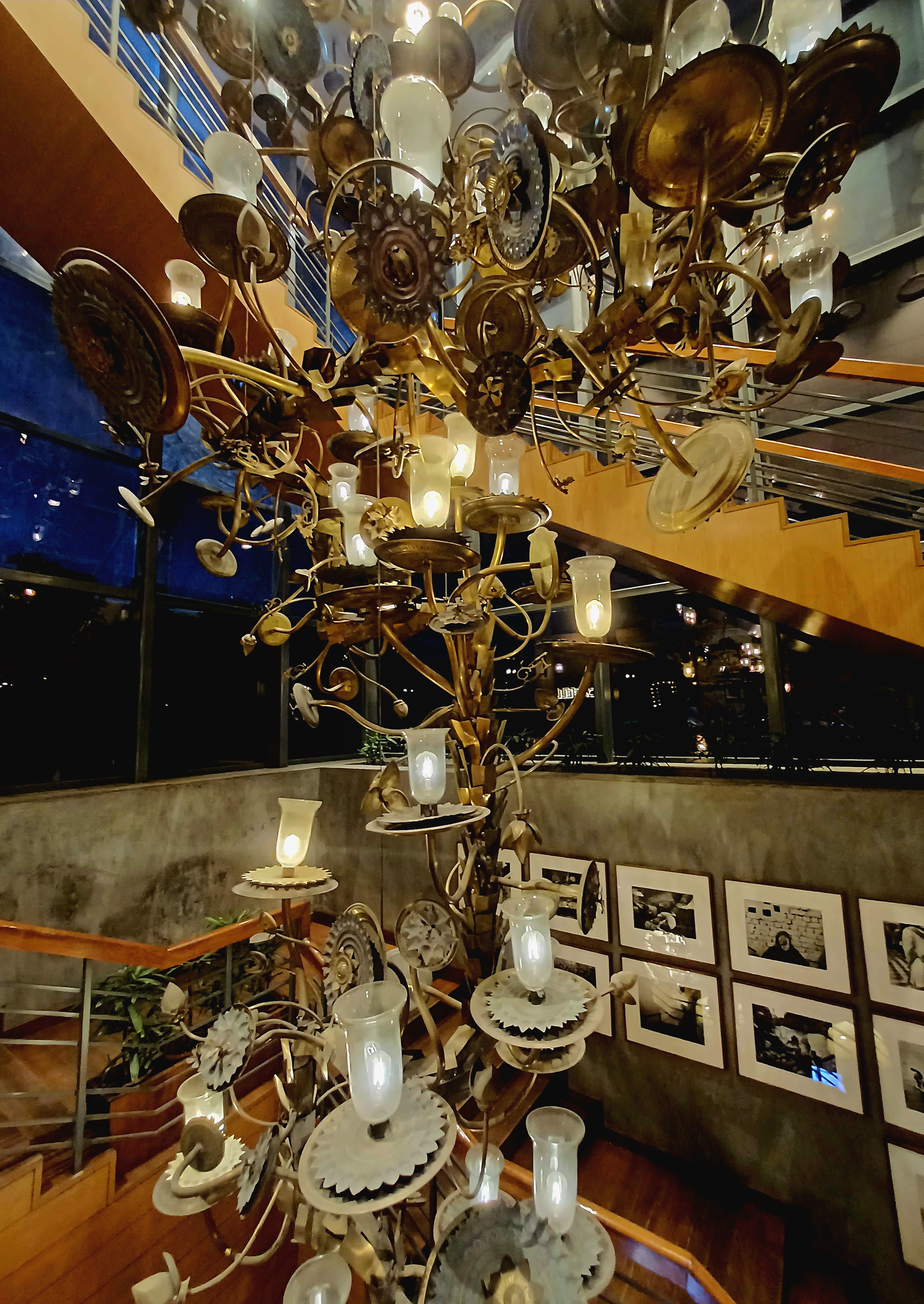
“Memories, Like Leaves” by Tohm Bakelas

On the edge of town lies another town,
and beyond that, another. You lean
against a wood fence, watching invisible
wind move across untamed fields of
green that have begun to brown. It is
November and cold. Things are living
and dying. You think back, eleven or
more years ago, when, for twenty-eight
days, your punk band toured across the
country in a run-down green ’98 Chevy
conversion van that was purchased for
$1200 and came with two seats in the
front, a cigarette burned couch in the
back, no seatbelts, and a suicide knob.
You think about the long drives before
the shows, passing through towns and
cities with names you can’t remember,
across highways you can’t recall,
through states that you never stopped in,
and places that never knew you were
there. Long days of endless driving to
play fifteen minute sets in crowded
basements, dark bars, beige living rooms,
moldy garages, anywhere with electricity.
And when the tour ended, and the van
broke down, you had it towed to outside
your house to serve as a reminder of the
feats you accomplished and the memories
made. But tonight, eleven or more years
later, leaning against this wood fence,
you think of the nights after the van died,
after the band died, after the fun died.
Those cold November nights when you
and your friends spent in the van, huddled
together under blankets and sleeping bags
for warmth, drinking Heaven Hill Whiskey
and smoking pot, like a lost tribe of
shamans, exiled to die in New Jersey.
And tonight, these memories, like leaves,
are few and far between, little to none
remain. And it is cold, so very, very cold.

Tohm

Tohm Bakelas is a social worker in a psychiatric hospital. He was born in New Jersey, resides there, and will die there. He is the author of several collections of poetry, including “Cleaning the Gutters of Hell (Zeitgeist Press, 2023) and “The Ants Crawl in Circles” (Bone Machine, Inc., 2024).

Please note: Poetry is compressed to fit smart phone screens. If you are reading this poem on a phone screen, please turn your screen sideways to make sure that you are seeing correct line breaks for this poem.
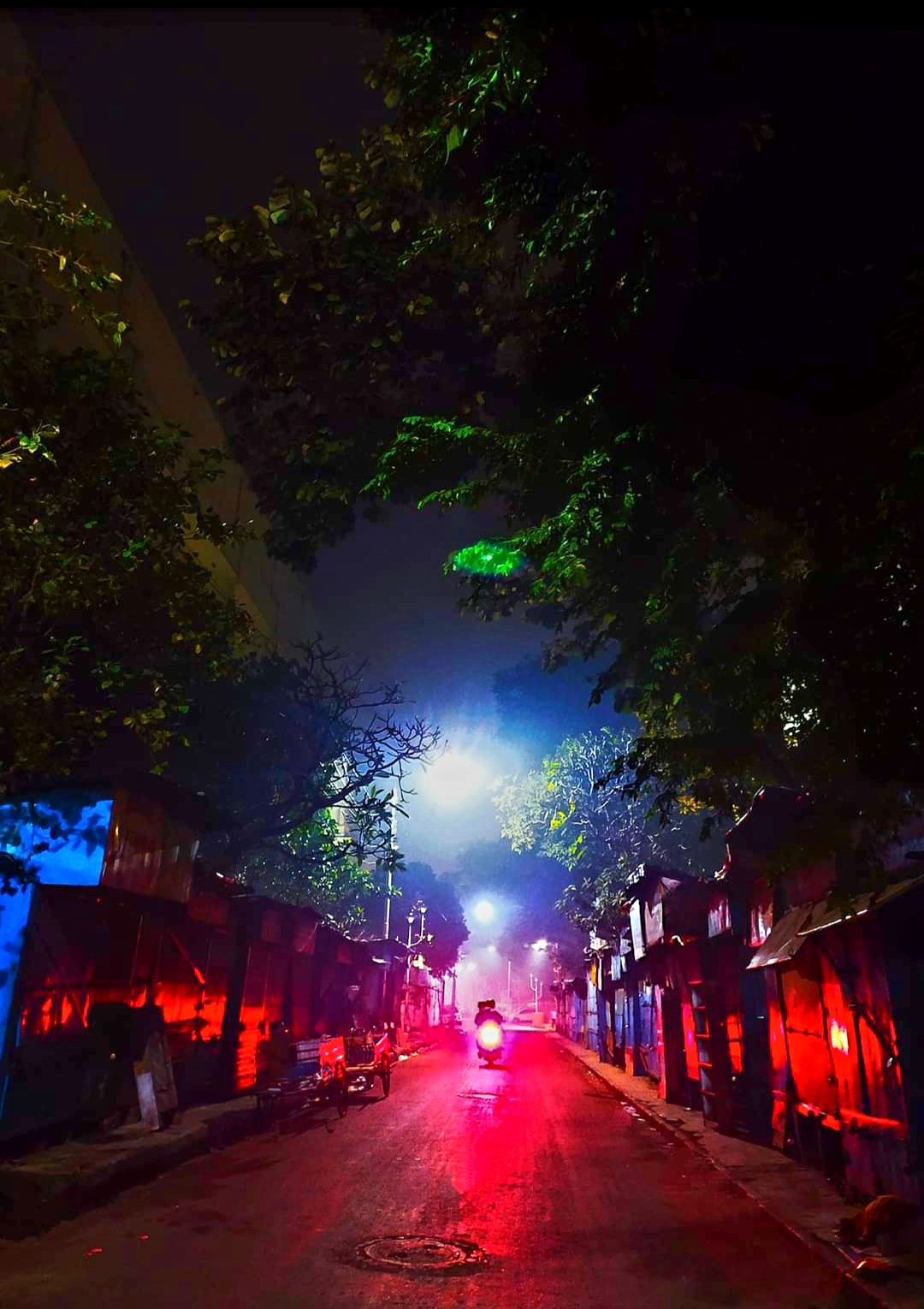
“Missing Manhattan in the Time of Covid 19” by Rebecca M. Ross

I want to eat the crowded streets of winter,
swallowing throngs of red-cheeked revelers
and harried shoppers

I want to stuff my mouth
with trumpeting car horns in the waning afternoon sun,
tinkling sleigh bells,
brightening streetlights,
and hints of imminent snow and cold
mixed with the smoky warmth of
doughy, salt-covered pretzels

Let me gorge myself on laughing lovers holding hands;
on couples mellowed with age but not spirit;
on friends celebrating memories
in the shadows of skyscrapers
stretching towards the bleak winter sky

I want to taste the city,
lick it greedily from my lips,
hold it solidly in my mouth like a rare delicacy

I want to quell my insatiable hunger
with that one saporous bite
of anonymity and acceptance,
the essence of Manhattan
engulfing me fully in its flavor
once again

RMRossBioPic40324

Rebecca M. Ross hails from Brooklyn but currently lives, hikes, and teaches in New York’s Hudson Valley. Her work has been published in The Metaworker, Medical Literary Messenger, The Voices Project, the Dissent Anthology, Rat’s Ass Review, and others, with work forthcoming or published in M58, Flora Fiction, and Backchannels.

Please note: Poetry is compressed to fit smart phone screens. If you are reading this poem on a phone screen, please turn your screen sideways to make sure that you are seeing correct line breaks for this poem.
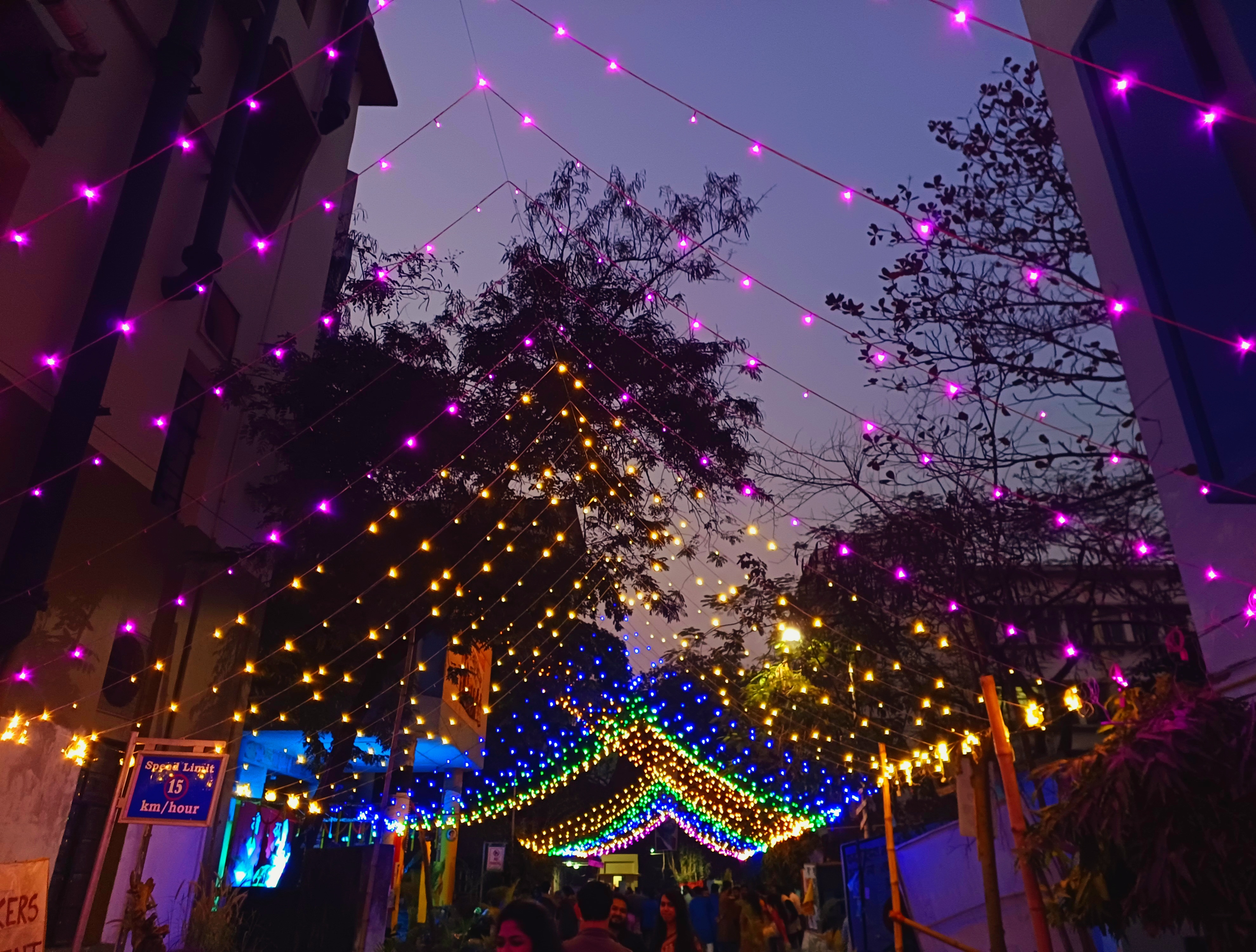
“Hungry Ghosts” by Olga Trianta-Boncogon

She stood expectantly before remembering to push a thin panel on the glass. The doors chimed and the cashiers called out welcome without breaking away from their tasks.

The convenience store was clean, full meals stocked the fridge, counters offered tea-boiled eggs, sweet potatoes, and hot dogs. Cold air quickly enveloped her and made her forget the summer heat. She wandered from aisle to aisle, wanting to buy instant noodles but too afraid to ask what the sign on the hot water machine meant. She knew how to say hot water and excuse me, but worried that her butchered delivery would confuse or insult the cashier. She stood by the water for too long, a short woman squeezed past her to fill up her cup. She jumped back and bumped into a man using the ATM. She wondered when she would become used to filling up smaller spaces, navigating aisles wide enough for one.

She bought a noodle dish for dinner and sat down at one of the few tables left. Some people bowed their heads over their tables, squeezing in a quick nap, probably fresh off work like her. Others had their eyes on their phone screens and were scrolling past social media updates at the speed of light. Someone came by her table and silently took a chair.

Continue reading “Hungry Ghosts” by Olga Trianta-Boncogon

“Don’t Cry for Me Ocean Parkway” by Debra J. White

Growing Up in Brooklyn, New York

Bill Clinton was president when I last lived in Brooklyn – Forty Ocean Parkway was my only address there. (I still love Brooklyn, even though I doubt I’ll ever live there again. In fact, it’s doubtful I’ll ever move back to New York City.) I moved to Phoenix in 1997, and it’s likely I’ll die here. 

I grew up in the scrappy, working-class section of Astoria. Back then, we rode the GG line that went from Queens to Brooklyn. (No doubt that train line is called something else now. Has any subway line kept its original name?) We transferred at Queen’s Plaza for the F train to Brooklyn to visit family friends on Flatbush Avenue or to look at the rats in Newtown Creek. Maybe we transferred to another line. I don’t remember. The subway cars in my youth looked like cast iron, black and ugly. Seats were made of rattan and coated with shellac. When the seats frayed, bits of rattan poked you in the butt or scratched your leg. Sometimes, a good pair of panty hose got snagged by the unruly seats. Air-conditioned cars didn’t exist. Overhead fans swirled hot stuffy air around.  

In summertime, my dad took me to Brooklyn’s Coney Island via subway. Once the crowds poured out of the station, everyone headed to rides and the fun began. I always wanted to ride the Steeplechase, but my father said I was too little. Instead, we rode the famed Cyclone rollercoaster together. I loved the thrill of zooming up and down then flying around curves. We also rode on the carousel and bumper cars. Once I exhausted myself on rides, Dad treated me to a hot dog heaped with mustard, sauerkraut, and onions at the famous Nathans. Afterwards, I begged for super sweet cotton candy. I loved our trips to Coney Island even though the ride from Astoria took over an hour. On other days, we rode the train to Brighton Beach.

From Astoria, the only seafront views were looking at the East River swill. I preferred the smell of salty air over the stench of rotting garbage in the alleys by our tenement building. Sometimes, the drunken superintendent was so hungover, he would forget to haul the cans out to the sidewalk on Sanitation Department pick-up days. Once my dad rented an umbrella, and we spread out our blanket. Waves picked us up, tossed us around like basketballs, and we loved it. After we dried off and ate sandwiches Mom had prepared, we built sandcastles with our plastic buckets then watched as the waves washed them away. A day of fun in the sun with real sand and surf was much better than tar beach, the city term for sunning on apartment buildings rooftops. Days at Coney Island with my dad were special, even if all the sweets gave me a mouth full of cavities. 

I attended Mater Christi High School (now known as St. John’s Prep) in Astoria Queens from 1968 to 1972. A sizable number of students hailed from Greenpoint, a section of Brooklyn. In freshman year, I befriended a lovable nut named Helene who lived on Dupont Street.  Assigned to every class from English to algebra, we became inseparable. She was the Abbott to my Costello. We shared chicken-salad sandwiches at lunch, hung out after school in a donut shop on Ditmars Boulevard, and talked on the phone at night. If I cracked a joke in class, Helene upped the ante and made the girls laugh even harder. I’m surprised we were never kicked out. Helene invited me to visit her family’s third-floor, walk-up railroad apartment with the tub inside the kitchen. If her Italian mother offered food, Helene said to agree, even if I wasn’t hungry. Predictably, her mother asked if I wanted a bite to eat. “A little something,” I replied.

Within minutes, the kitchen table was filled with a spread of salami, ham, cheeses of all kinds, crisp bread, olives, pickles, cannoli, and more. Wow! I couldn’t possibly eat that much, but I tried to make her mother happy. I left that night ready to explode. I tried to walk all the way home from Greenpoint to Astoria to relieve my aching stomach, but it was just too far.   

During the massive construction project to build the Verrazano Narrows Bridge, linking Staten Island with Brooklyn, Dad would sometimes take us on the subway all the way from Astoria to Bay Ridge. Mom packed us a picnic lunch for the afternoon. We sat in a park watching the workers toil away slapping concrete and steel together that would one day become a world-famous suspension bridge. When the Verrazano finally opened in 1964, I was in the fifth grade. We watched the grand opening festivities on TV. After all the publicity died down, Dad drove us across the bridge just for fun. 

Continue reading “Don’t Cry for Me Ocean Parkway” by Debra J. White

Two Poems by Shaheen Dil

The Hudson River Park

Red sugar on my tongue,
I walk along the gray Hudson
beyond the bronze pumpkin,
          serpentine steel rods mimic benches,
past the fenced-off runs for dogs,
tennis courts, skate rinks,
past Pier 40, where the Hornblower Serenity bobs in oily water,
          winks, huge and beckoning,
          lights poking holes in a darkening sky.

I float on anticipation—
some glimpse of the world as black lightning,
Andean street players fingering pipes,
break dancers strutting their moves,
dreadlocks flying,
drums thrumming.

I pass strangers,
joggers’ faces showing pain or grace,
spinning to the honeyed air their sweat,
as though the evening were theirs to keep,
as though this secret could be shared with fireflies, blinking.

Union Square

Everything is on offer
          Saturdays at the farmer’s market:

stands with wildflower honey,
          jams, baked goods,

girls with fish-net leggings,
          black thongs showing,

boys with eyeliner, earrings,
          jittery, alluring,

Masters teasing challengers
          at stone chess tables,

a cellist with open case,
          hopeful singer at hand,

a smiling farmer selling high-priced greens
          to city slickers,

free-range eggs,
          as if the eggs themselves could walk.

On the plaza, dancers and protesters
          move in a mirrored minuet—
          shadows of skyscrapers join the dance.

Shaheen Dil is a reformed academic, banker and consultant who now devotes herself to poetry. She was born in Bangladesh, and lives in Pittsburgh. Her poems have been widely published in literary journals and anthologies. Her first full-length poetry collection, Acts of Deference, was published in 2016. Her second full-length poetry collection, The Boat-maker’s Art, was published from Kelsay Books in 2024. Shaheen is a member of the Pittsburgh Poetry Exchange, the DVP/US1 Poets, and the Porch Poets. She holds an AB from Vassar College, a master’s degree from Johns Hopkins University, and a Ph.D. from Princeton University—leaving campus only when it was absolutely necessary to get a real job. 

Please note: Poetry is compressed to fit smart phone screens. If you are reading this poem on a phone screen, please turn your screen sideways to make sure that you are seeing correct line breaks for this poem.
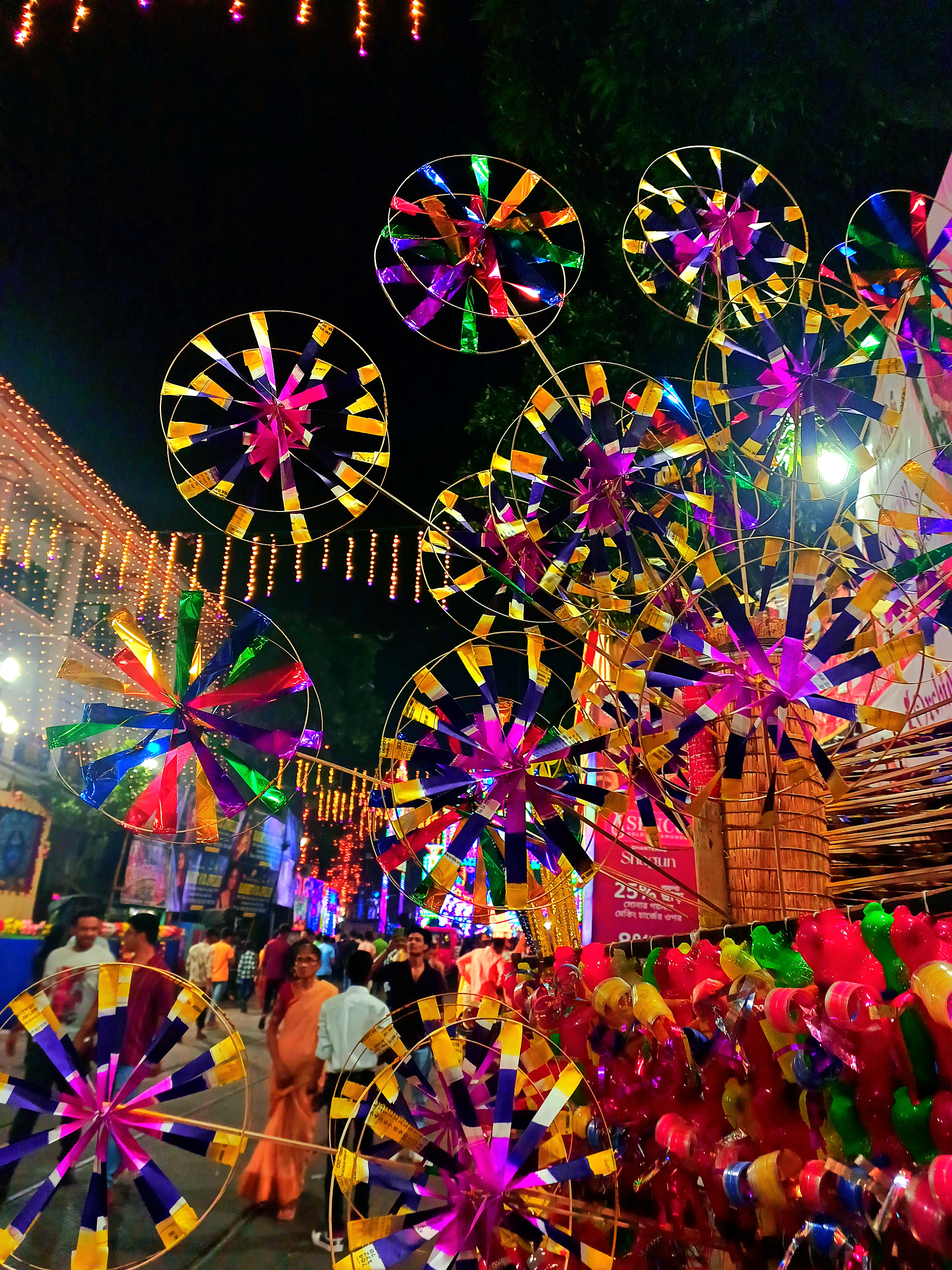
“City of Pleasant Living” by Elizabeth S. Gunn

“This is because the caress is not
a simple stroking; it is a shaping.”
               – Eve Kosofsky Sedgwick

drinking into familiarity –
               your orange raincoat…
               teaspoons tickling the side of hope –
               hopeful, let us

hypothesize in our unlit corner
               of Fox’s Lounge, Route One
               John Prine, Patsy Cline
               sugar with despair

spilling lapsed time, timing
               fingertips like frippery
               your braid behind a teacup
               ear listening to vintage chandeliers

like a desideratum
               a language, South Miami typesets
               | craving | Clevelander | aesthetics |
               amid our city’s deco chords

let us be here in the aquafer
               of humid desire the shape
               of anonymity in a sibylline song –
               the slyness of fox, the sadness of so long

Elizabeth S. Gunn (www.elizabethsgunn.com) serves as the Dean of the School of Arts, Sciences, and Business at Nevada State University. She writes poetry and fiction in Henderson, Nevada, where she and her wife live with their three rescue pups in the endless Mojave Desert.

Please note: Poetry is compressed to fit smart phone screens. If you are reading this poem on a phone screen, please turn your screen sideways to make sure that you are seeing correct line breaks for this poem.
“Through Different Eyes” by John B. Mahaffie

Henry Aaron Makes History in Atlanta

ATLANTA, April 8, 1974–Atlanta Braves slugger Henry “Hank” Aaron edged into the record books tonight, passing the legend Babe Ruth as the leading home‐run hitter in baseball history. He slugged his 715th home run before a national television audience and 53,775 persons in Atlanta Stadium. Many hailed the achievement, but controversy emerged as some baseball analysts claimed the two sluggers did not face equal conditions, that in Babe Ruth’s time, the baseball itself was different, and that it was harder to hit home runs.


A white teenage boy waited for the Third Avenue bus. He was dressed in a Catholic school uniform and had a book bag over his shoulder. A grey-haired black man joined him at the bus stop. He carried a scuffed and dented lunch box in one hand, and the Daily News in the other. The man’s newspaper blazed in four-inch type, “715. Henry Does It!” The picture spread over half the front page, Hank Aaron, his dark skin against the white Braves uniform, arms driving the bat out and away.

The boy shrugged the bag off his shoulder and set it on the bus shelter bench. He flicked dark blond hair out of his eyes and smiled at the old man.

“Wasn’t that something last night?” he said.

“Oh my goodness yes.”

The man’s tired eyes twinkled alive.

They stepped back from the curb as an express bus hissed by. The boy leaned in for a moment to admire the front of the newspaper with the man. The man opened his paper and studied the article inside, a smile fixed in place.

The boy fiddled with his school tie, and looked up the street, then back at the man.

“Of course, it’s apples and oranges compared to Babe Ruth,” the boy said.

The man’s smile erased. 

“What do you mean?” 

The boy’s cheeks pinked. He swallowed.

“Well. . . it’s just. . . they say it’s not as hard. . . it was harder when Babe Ruth did it.” 

The man sighed through tight lips. He squared to look at the boy.

“You think this man had it easy?”

He tapped the cover of the Daily News with thick fingers.

The boy looked away. He raked the hair out of his eyes with his hand.

“Well it’s what people are saying.”

He stared off for a bus.

The man eyed the boy and folded his newspaper.

“It sure seems like as soon as a man does something great folk want to take it away from him,” the man said in a low voice.

The boy’s shoulders sagged. He looked back at the man in a sideways glance. He pushed his hands into his pockets.

“Well,” the boy said, “it’s because the ball was different then, it was harder. . .” His voice faded and he stopped at the man’s look. 

“Young man, I don’t think you understand.”

The man tucked his paper under his arm and edged to the curb, looking down the street for a bus.

The boy reached for the strap of his book bag, his shin barking against the edge of the bench. He stayed back.

They waited, neither speaking.

A bus slid up. The man climbed slowly on and moved toward the back. The boy got on and dropped into a side-facing seat near the front. He pinched his jacket collar closed at his neck. He studied the flecked linoleum between his loafers.

The old man gazed into the distance and they rode for a while.

The boy closed his eyes and then opened them and glanced back at the old man. He stared back down at his shoes. The bus whisked along.

Then the boy grabbed the stop request cord and yanked it. The bus jerked over to the curb. He looped on his book bag and stood. He eyed the man a last time, but when the man looked up he dropped his eyes and turned and got off the bus.

The old man watched him leave. He shook his head and opened his paper and began to read. The smile returned to his face.

John B. Mahaffie is a futurist with a love of the past. He writes short fiction and flash, and is at work on a novel. John’s fiction often explores the past. John lives and works in Washington, DC.

“Maastricht, 1496” by Jake Price

I never noticed architecture
until you kissed the flutes
in my cheekbones.

We sat on a park bench,
hands clasped together,
watching strangers and pointing out dormer noses
and bay window eye sockets.
My body turns to rubble when you smile.
I would never tell you that.

The arch of your spine, facade to facade,
Romanesque afternoons mixed with wine
and latticework and I exist I exist I exist.

                                       We   used      a      crumbling      statue    as    an      ashtray.

                                       I want   to marry  you here and then    go back to the States

                         and      forget      about   you.

Jake

Jake Price is a junior at Susquehanna University pursuing a degree in Creative Writing and a minor in Art History. He was born in Texas and currently resides in McConnellsburg Pennsylvania. He spends most of his time reading his work to his cat, Raven, who has yet to give him any feedback. His poetry has been published in Philadelphia Stories, The Poet Magazine, and The Viridian Door. His short fiction has been published in Cream Scene Carnival and Querencia Press.

Please note: Poetry is compressed to fit smart phone screens. If you are reading this poem on a phone screen, please turn your screen sideways to make sure that you are seeing correct line breaks for this poem.